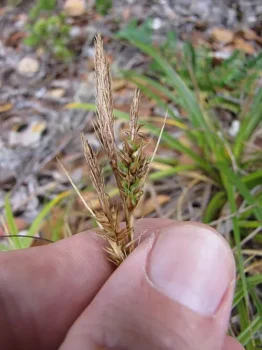
Oahu Sedge: A Rare Native Hawaiian Treasure for Your Garden
If you’re passionate about native Hawaiian plants and conservation gardening, you’ve probably heard whispers about Oahu sedge (Carex wahuensis). This understated but ecologically important sedge is one of Hawaii’s native treasures, though it comes with some important considerations for the responsible gardener.
What Makes Oahu Sedge Special?
Oahu sedge is a perennial grass-like plant that’s endemic to Hawaii – meaning it exists nowhere else on Earth naturally. This modest sedge forms small clumps of narrow, green foliage that might not win any flashy flower contests, but it plays a crucial role in Hawaii’s native ecosystems.
As its name suggests, this sedge is found exclusively on the island of Oahu, where it grows naturally in wet forests and boggy areas at higher elevations. It’s perfectly adapted to Hawaii’s unique climate and growing conditions.
- Species observed
- No observations
A Word of Caution: Conservation Comes First
Before we dive into growing tips, here’s something every responsible gardener needs to know: Oahu sedge has a Global Conservation Status of S3, which means it’s considered vulnerable. With typically only 21 to 100 occurrences and between 3,000 and 10,000 individuals remaining, this plant is genuinely rare.
What does this mean for you as a gardener? If you’re interested in growing Oahu sedge, you should only obtain plants from responsibly sourced material – never collect from wild populations. Work with reputable native plant nurseries that propagate their own stock or participate in legitimate conservation programs.
Why Grow Oahu Sedge?
Despite its rarity (or perhaps because of it), there are compelling reasons to consider this native sedge:
- Conservation impact: Growing native plants helps preserve Hawaii’s unique botanical heritage
- Low maintenance: Once established, it’s relatively easy to care for
- Authentic landscaping: Perfect for creating genuine Hawaiian native plant gardens
- Erosion control: Its root system helps stabilize soil in wet areas
- Rain garden star: Thrives in consistently moist conditions
Growing Conditions and Care
Oahu sedge is classified as Facultative Upland, which means it usually grows in non-wetland areas but can handle wet conditions too. This makes it surprisingly versatile for Hawaiian gardens.
Climate requirements: This tropical native thrives in USDA hardiness zones 10-12, so it’s really only suitable for Hawaii and similarly warm, humid climates.
Light and soil needs: Oahu sedge appreciates partial shade to full sun and prefers consistently moist soil. It can even tolerate boggy conditions, making it excellent for rain gardens or areas with poor drainage.
Planting tips:
- Plant in soil enriched with organic matter
- Ensure consistent moisture – don’t let it dry out completely
- Space plants appropriately to allow for natural clumping growth
- Mulch around plants to retain moisture
Landscape Design Ideas
While Oahu sedge won’t be the showstopper in your garden, it serves important supporting roles:
- Groundcover: Creates naturalistic drifts in native Hawaiian gardens
- Accent planting: Provides fine texture contrast with broader-leaved natives
- Rain garden component: Excellent for managing water runoff
- Conservation planting: Essential for authentic habitat restoration projects
Wildlife and Ecosystem Benefits
Like most sedges, Oahu sedge is wind-pollinated, so it won’t attract lots of butterflies or bees directly. However, it provides important habitat structure for native insects and small wildlife, and its seeds may feed native birds.
The Bottom Line
Oahu sedge represents both an opportunity and a responsibility for Hawaiian gardeners. While it’s not the most glamorous plant you could choose, growing it connects you directly to Hawaii’s unique natural heritage. Just remember: conservation comes first. Only obtain plants through responsible channels, and consider your garden a small contribution to preserving this vulnerable species.
If you can’t find responsibly sourced Oahu sedge, consider other native Hawaiian sedges or grasses that might be more readily available. The most important thing is supporting native plant conservation – whether through growing rare species responsibly or choosing more common natives that still benefit local ecosystems.