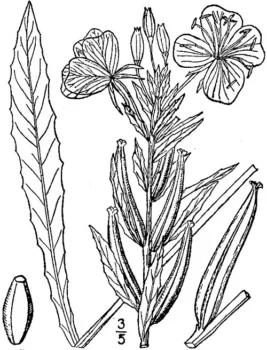
Oakes’ Evening Primrose: A Delicate Native Treasure for Your Garden
If you’re looking to add a touch of evening magic to your native plant garden, Oakes’ evening primrose (Oenothera oakesiana) might just be the perfect addition. This charming biennial wildflower brings subtle beauty and ecological value to naturalized landscapes across eastern North America.
What Makes Oakes’ Evening Primrose Special
Oakes’ evening primrose is a delicate member of the evening primrose family, classified as a forb—essentially a non-woody flowering plant. As a biennial, it follows a two-year life cycle: sprouting and developing leaves in its first year, then blooming and setting seed in its second year before completing its cycle.
The plant produces small, cheerful yellow flowers that open in the evening hours, creating a lovely twilight display in your garden. Its narrow leaves and relatively compact size make it perfect for tucking into naturalized areas without overwhelming other plantings.
Where You’ll Find It Growing Wild
This native beauty calls eastern North America home, naturally occurring across a impressive range that includes parts of Canada and much of the eastern United States. You’ll find wild populations from Manitoba and the Maritime provinces down through the Great Lakes region and into the Mid-Atlantic states, including Connecticut, Delaware, Maryland, and as far south as North Carolina.
- Species observed
- No observations
A Word About Rarity
Important consideration: While Oakes’ evening primrose has a broad native range, it’s considered rare in some areas. In New Jersey, for example, it carries a rarity status of S3, meaning it’s vulnerable to extirpation. If you’re interested in growing this species, please source your seeds or plants from reputable native plant nurseries that practice responsible collection methods. Never collect from wild populations.
Why Grow Oakes’ Evening Primrose
Here’s what makes this plant worth considering for your native garden:
- Pollinator magnet: Those evening-opening flowers are perfectly timed for night-flying moths and other nocturnal pollinators
- Low maintenance: Once established, it’s quite self-sufficient
- Authentic native choice: Perfect for creating genuine local ecosystems
- Naturalized beauty: Adds subtle charm without being showy or overwhelming
- Adaptable: Tolerates poor soils that might challenge other plants
Growing Conditions and Care
Oakes’ evening primrose is refreshingly easy-going when it comes to growing conditions. It thrives in USDA hardiness zones 3-7, making it suitable for most northern and temperate climates.
Soil preferences: This plant actually prefers sandy, well-drained soils and can handle poor soil conditions that would stress other garden plants. Avoid overly rich or constantly moist soils.
Light requirements: Full sun to partial shade works well, though it tends to bloom more prolifically with good sun exposure.
Planting tips: Since it’s a biennial, direct sowing seeds works best. Scatter seeds in fall for natural stratification over winter, or sow in early spring. The plants may self-seed once established, creating a natural cycle in your garden.
Perfect Garden Companions
Oakes’ evening primrose fits beautifully into several garden styles:
- Native plant gardens: Pairs wonderfully with other regional natives
- Wildflower meadows: Adds evening interest to naturalized areas
- Cottage gardens: Provides that relaxed, informal charm
- Wildlife gardens: Essential for supporting nocturnal pollinator populations
The Bottom Line
Oakes’ evening primrose offers gardeners a chance to grow something truly special—a native plant that supports local ecosystems while adding gentle beauty to the landscape. Its evening-blooming habit makes it particularly valuable for night gardens and adds an element of temporal interest that many gardens lack.
Just remember to source your plants responsibly, especially given its rarity status in some regions. When grown thoughtfully, this delicate native can become a treasured part of your garden’s evening symphony, supporting pollinators and connecting your landscape to the broader natural heritage of eastern North America.