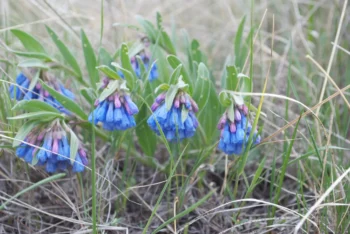
Oblongleaf Bluebells: A Mountain Gem for Your Native Garden
If you’re looking to add a touch of mountain magic to your garden, oblongleaf bluebells might just be the perfect addition. This charming native wildflower brings the serene beauty of alpine meadows right to your backyard, complete with delicate blue blooms that seem to capture pieces of the sky.
What Are Oblongleaf Bluebells?
Scientifically known as Mertensia oblongifolia, oblongleaf bluebells are herbaceous perennial forbs that belong to the borage family. These lovely plants are true natives of the western United States, making them an excellent choice for gardeners who want to support local ecosystems while enjoying beautiful blooms.
What makes these flowers particularly enchanting is their color-changing act – the buds start out pink and gradually transform into the most gorgeous sky-blue bells as they open. It’s like having a little magic show in your garden every spring!
Where Do They Grow Naturally?
Oblongleaf bluebells are natural residents of the American West, thriving across twelve states: California, Colorado, Idaho, Montana, Nevada, New Mexico, North Dakota, Oregon, South Dakota, Utah, Washington, and Wyoming. They’ve made themselves at home in the mountainous regions, where they’ve adapted to cooler temperatures and well-draining soils.
- Species observed
- No observations
Why Plant Oblongleaf Bluebells in Your Garden?
There are several compelling reasons to consider adding these beauties to your landscape:
- Native Plant Benefits: As true natives, they’re perfectly adapted to local conditions and support regional wildlife
- Pollinator Magnet: The nectar-rich flowers attract bees, butterflies, and other beneficial insects
- Low Maintenance: Once established, they’re quite drought tolerant and require minimal care
- Unique Beauty: The color-changing flowers and attractive gray-green foliage add visual interest
- Versatile Placement: They work well in various garden settings, from rock gardens to wildflower meadows
Perfect Garden Settings
Oblongleaf bluebells shine in several garden styles:
- Rock Gardens: Their mountain heritage makes them perfect companions for alpine plants
- Native Plant Gardens: They blend beautifully with other western native species
- Wildflower Meadows: Add them to naturalized areas for a splash of early season color
- Cottage Gardens: Their charming, informal appearance fits right into relaxed garden designs
Growing Conditions and Care
These mountain natives prefer conditions that mimic their natural habitat:
- Light: Partial shade to full sun (morning sun with afternoon protection is ideal)
- Soil: Well-draining soil is essential – they don’t like wet feet
- Water: Moderate moisture during growing season, drought tolerant once established
- Climate: Hardy in USDA zones 3-7, they love cooler temperatures
Planting and Care Tips
Getting started with oblongleaf bluebells is relatively straightforward:
- When to Plant: Spring is the ideal time, after the last frost
- Soil Preparation: Ensure excellent drainage by amending heavy soils with compost or sand
- Watering: Keep soil evenly moist during the first growing season, then reduce watering
- Mulching: Apply a light layer of organic mulch to retain moisture and suppress weeds
- Fertilizing: These plants typically don’t need additional fertilizer in average soils
Special Considerations
Oblongleaf bluebells have an interesting relationship with water. While they can grow in various moisture conditions (their wetland status ranges from facultative to obligate upland depending on the region), they generally prefer well-draining sites in garden settings. This flexibility makes them adaptable to different garden situations.
One thing to keep in mind is that these plants may go dormant during hot summer months, especially in warmer climates. This is completely natural – they’re just taking a summer nap until cooler weather returns!
The Bottom Line
Oblongleaf bluebells offer gardeners a wonderful opportunity to grow a truly native plant that’s both beautiful and beneficial. Their charming flowers, pollinator appeal, and low-maintenance nature make them an excellent choice for anyone looking to create a more sustainable, wildlife-friendly garden. Plus, there’s something deeply satisfying about growing a plant that naturally belongs in your region – it’s like giving a piece of your local landscape a special place to shine in your own backyard.
Whether you’re creating a rock garden, expanding a native plant collection, or simply want to try something new and lovely, oblongleaf bluebells might just become one of your favorite garden discoveries.