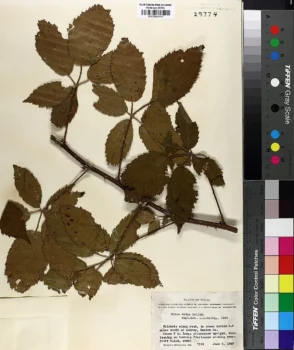
Ocala Blackberry: Florida’s Rare Native Ground Cover
Meet the Ocala blackberry (Rubus inferior), one of Florida’s lesser-known native treasures. This petite perennial shrub is as elusive as it is charming, making it a true find for dedicated native plant enthusiasts. If you’re looking to add something genuinely special to your Florida landscape, this little blackberry might just be your perfect match – with a few important caveats.
What Makes Ocala Blackberry Special
The Ocala blackberry is a delightfully compact member of the blackberry family, staying refreshingly manageable at under 1.5 feet tall and never exceeding 3 feet at maturity. Unlike its more rambunctious blackberry cousins that can take over entire fence lines, this low-growing shrub knows how to mind its manners in the garden.
As a true Florida native, this species is found exclusively in the Sunshine State, making it a genuinely local choice for gardeners who want to support their regional ecosystem. There’s something deeply satisfying about growing a plant that calls your specific corner of the world home.
- Species observed
- No observations
A Word of Caution: Rarity Matters
Here’s where things get important: Ocala blackberry has a Global Conservation Status of S2?Q, indicating it’s quite rare in the wild. This means that while it’s absolutely worth growing, you’ll want to be extra careful about sourcing. Always purchase from reputable native plant nurseries that propagate their stock rather than wild-collecting, and never harvest from wild populations.
Garden Role and Landscape Fit
This compact shrub works beautifully as:
- Groundcover in native plant gardens
- Understory plantings in woodland gardens
- Wildlife habitat enhancement
- Low borders and edging in naturalistic landscapes
Given its Florida origins, it’s perfectly suited for native landscape designs, wildlife gardens, and any space where you want to support local biodiversity without dealing with an overly aggressive grower.
Growing Conditions and Care
While specific growing information for Ocala blackberry is limited due to its rarity, we can make educated guesses based on its native habitat and related species. It likely thrives in:
- Well-draining soils
- Partial shade to filtered sunlight
- USDA hardiness zones 8b through 10a
- Natural rainfall patterns typical of Florida
As with most native plants, once established, it should be relatively low-maintenance and adapted to local weather patterns. The key is getting it settled in during its first growing season.
Wildlife and Pollinator Benefits
Like other members of the Rubus family, Ocala blackberry likely produces small white flowers that attract various pollinators, including native bees. The eventual berries (if they form) would provide food for birds and small mammals, making this plant a valuable addition to wildlife-supporting gardens.
The Bottom Line
Ocala blackberry is definitely worth growing if you can source it responsibly. Its compact size, native status, and rarity make it a conversation starter and a meaningful contribution to conservation efforts. Just remember that with rare plants comes responsibility – always buy from ethical sources and consider yourself a steward of this special species.
While growing information is limited, the reward of nurturing a truly local Florida native makes this plant worth the extra effort to track down and learn about through experience. Sometimes the most rewarding garden adventures come from the plants that make us work a little harder to understand them.