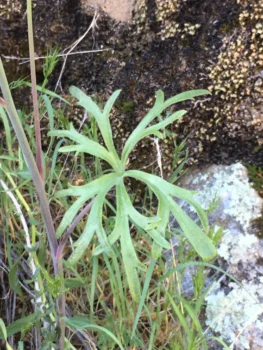
Oceanblue Larkspur: A Rare California Native Worth Knowing About
Meet the oceanblue larkspur (Delphinium parishii subglobosum), a stunning native wildflower that calls California home. This perennial beauty might not be the easiest plant to find at your local nursery, but for dedicated native plant enthusiasts, it represents something special—a piece of California’s natural heritage that deserves our attention and respect.
What Makes Oceanblue Larkspur Special?
This delicate forb—that’s botanist-speak for a non-woody flowering plant—brings classic delphinium charm to the native plant world. Picture the elegant spurred flowers you know and love from garden delphiniums, but adapted perfectly to California’s unique climate and ecosystems. The oceanblue larkspur produces beautiful blue to purple blooms arranged in tall, graceful spikes that add vertical interest to any landscape.
Where It Calls Home
The oceanblue larkspur is exclusively native to California, making it a true Golden State original. This subspecies has adapted to the state’s diverse microclimates and represents an important part of California’s botanical diversity.
- Species observed
- No observations
A Word About Rarity
Here’s something important to know: oceanblue larkspur has a conservation status that suggests it may be uncommon in the wild. If you’re interested in growing this plant, it’s crucial to source it responsibly. This means:
- Only purchase from reputable native plant nurseries
- Never collect seeds or plants from wild populations
- Ask about the source of any plants you’re considering
- Consider participating in seed collection programs organized by botanical organizations
Garden Design and Landscape Role
When grown responsibly, oceanblue larkspur can play several wonderful roles in your garden:
- Vertical accent in native plant gardens
- Eye-catching addition to drought-tolerant landscapes
- Beautiful component in wildflower meadow plantings
- Stunning focal point in rock gardens or naturalized areas
Growing Conditions and Care
Like many California natives, oceanblue larkspur appreciates conditions that mimic its natural habitat:
- Sunlight: Full sun to partial shade
- Soil: Well-draining soil is essential—these plants hate wet feet
- Water: Drought-tolerant once established, but may need occasional deep watering
- Climate: Best suited for USDA zones 8-10, matching California’s temperate regions
Pollinator and Wildlife Benefits
Native delphiniums are beloved by pollinators, and oceanblue larkspur likely shares this trait. The tubular, spurred flowers are particularly attractive to:
- Hummingbirds, which can access nectar with their long beaks
- Butterflies and moths
- Native bees with longer tongues
Planting and Care Tips
If you’re fortunate enough to find responsibly sourced oceanblue larkspur, here’s how to give it the best start:
- Plant in fall or early winter for best establishment
- Ensure excellent drainage—consider raised beds or slopes
- Water regularly the first year, then reduce as the plant establishes
- Avoid heavy fertilization, which can promote weak, floppy growth
- Allow seed heads to mature if you want to encourage natural reseeding
Should You Grow It?
Oceanblue larkspur presents a unique opportunity for committed native plant gardeners who want to support California’s botanical heritage. However, its rarity means this isn’t a plant for casual gardeners or those looking for easy-to-find options.
If you’re passionate about native plants and committed to responsible gardening practices, this beautiful larkspur could be a meaningful addition to your landscape. Just remember that with rare plants comes responsibility—always source ethically and consider yourself a steward of California’s natural heritage.
For those seeking more readily available alternatives, consider other native California wildflowers like penstemon species or native lupines, which offer similar vertical interest and pollinator benefits without the conservation concerns.