Oconee Bells: A Rare Gem for Your Woodland Garden
If you’re looking for a truly special native plant that will make your woodland garden stand out, let me introduce you to one of the Southeast’s best-kept secrets: Oconee bells (Shortia galacifolia var. galacifolia). This charming little perennial is like finding a hidden treasure in the plant world – rare, beautiful, and absolutely worth the effort to grow.
What Makes Oconee Bells Special?
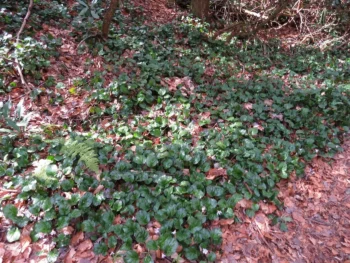
Oconee bells is a native perennial herb that belongs to a very exclusive club of plants found only in the southern Appalachian Mountains. With its glossy, rounded evergreen leaves and delicate white to pink bell-shaped flowers that dance on slender stems in early spring, this plant brings an almost fairy-tale quality to shaded gardens.
The botanical name Shortia galacifolia var. galacifolia might be a mouthful, but don’t let that intimidate you. You might also see it listed under its synonym Sherwoodia galacifolia, though most gardeners simply call it by its charming common name.
Where Does It Come From?
This native beauty calls the southeastern United States home, specifically thriving in Georgia, North Carolina, South Carolina, Tennessee, and Virginia. It’s perfectly adapted to the cool, moist conditions of Appalachian forests, where it carpets the forest floor with its distinctive foliage.
- Species observed
- No observations
A Word About Rarity
Important: Oconee bells carries a conservation status that indicates it has limited populations in the wild. If you decide to add this special plant to your garden, please only purchase from reputable nurseries that propagate their plants responsibly rather than collecting from wild populations. This helps ensure we can enjoy these beauties for generations to come.
Why Your Garden Will Love Oconee Bells
Here’s where this little gem really shines in your landscape:
- Early season interest: Those delicate flowers appear in March and April when most other plants are still sleeping
- Year-round beauty: The evergreen leaves provide structure through winter, turning an attractive bronze-red in cold weather
- Pollinator support: Early spring blooms offer nectar when pollinators desperately need it
- Perfect groundcover: Forms attractive colonies in woodland settings
- Low maintenance: Once established, it pretty much takes care of itself
Where to Plant Your Oconee Bells
Think of Oconee bells as the perfect plant for those tricky shaded spots where other plants struggle. It’s ideal for:
- Woodland gardens under mature trees
- Shaded rock gardens
- Native plant gardens focusing on Appalachian species
- Naturalistic landscapes that mimic forest environments
Growing Conditions That Make Them Happy
Oconee bells aren’t particularly fussy, but they do have some preferences that mirror their mountain home:
- Light: Partial to full shade (think dappled sunlight through trees)
- Soil: Moist, well-draining, acidic soil rich in organic matter
- Moisture: Consistent moisture without being waterlogged
- Temperature: Hardy in USDA zones 5-8
- Humidity: Prefers the naturally humid conditions of woodland environments
Planting and Care Tips
Getting your Oconee bells off to a good start is easier than you might think:
When to plant: Spring or fall are ideal times, giving plants a chance to establish before extreme weather hits.
Planting: Dig a hole slightly wider than the root ball and plant at the same depth it was growing in the container. Work some compost into the surrounding soil if it’s not naturally rich.
Watering: Keep consistently moist, especially during the first growing season. A drip irrigation system or soaker hose works wonderfully.
Mulching: Apply a 2-3 inch layer of organic mulch around plants to keep roots cool and retain moisture. Shredded leaves or pine needles work perfectly.
Fertilizing: These plants thrive in naturally rich woodland soil, so heavy fertilization isn’t necessary. A light application of compost in spring is usually sufficient.
Is Oconee Bells Right for Your Garden?
If you have a shaded garden and want to grow something truly special and native, Oconee bells could be perfect for you. Just remember that patience is key – like many woodland natives, it may take a season or two to really settle in and show its best. But once established, you’ll have a unique conversation piece that connects your garden to the ancient forests of Appalachia.
The combination of early spring flowers, attractive evergreen foliage, and its status as a rare native makes Oconee bells a wonderful choice for gardeners who want to make a difference while creating beauty. Just remember to source your plants responsibly, and you’ll be supporting both conservation efforts and your local ecosystem.