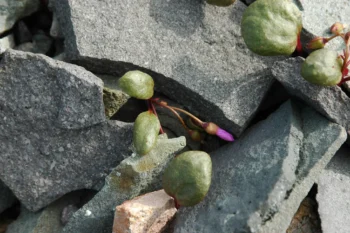
Ogilvie Mountain Springbeauty: A Rare Arctic Gem for Specialized Gardens
Meet the Ogilvie Mountain springbeauty (Claytonia ogilviensis), one of Canada’s most exclusive native wildflowers. This diminutive perennial forb calls the remote Ogilvie Mountains of Yukon Territory home, where it quietly thrives in some of North America’s most challenging growing conditions. If you’re drawn to rare native plants and specialized alpine gardening, this little beauty might just capture your heart – though it comes with some important considerations.
What Makes This Plant Special
The Ogilvie Mountain springbeauty is a true botanical treasure. As a herbaceous perennial forb, it lacks woody tissue but returns year after year, producing delicate flowers that seem almost magical against the harsh arctic landscape. Its small stature and specialized habitat requirements make it a fascinating addition to the Claytonia genus.
Where It Calls Home
This springbeauty has one of the most limited distributions of any North American wildflower. Found exclusively in Yukon Territory, Canada, it’s essentially endemic to the Ogilvie Mountains region. This incredibly narrow range makes it a true regional specialty – you won’t find this plant growing wild anywhere else on Earth.
- Species observed
- No observations
Important Conservation Status
Before considering this plant for your garden, here’s what you need to know: Claytonia ogilviensis carries a Global Conservation Status of S3, meaning it’s considered Vulnerable. With only 21 to 100 known occurrences and an estimated 3,000 to 10,000 individuals in the wild, this is not your typical garden center find.
If you’re interested in growing this rare beauty, please ensure any plants or seeds are obtained through responsible sources that don’t impact wild populations. Consider this plant only if you’re committed to conservation-minded gardening practices.
Garden Potential and Growing Conditions
The Ogilvie Mountain springbeauty is definitely not for beginning gardeners. This specialized alpine plant requires conditions that mimic its harsh northern home:
- Extremely cold-hardy (likely suitable for USDA zones 1-3)
- Well-draining, rocky or sandy soil
- Cool summer temperatures
- Extended winter chill period
- Excellent drainage to prevent root rot
Best Garden Settings
This springbeauty shines in specialized garden settings:
- Alpine gardens: Perfect for recreating high-altitude plant communities
- Rock gardens: Thrives among stones that provide drainage and temperature moderation
- Native plant collections: A prized specimen for serious native plant enthusiasts
- Conservation gardens: Ideal for educational or preservation-focused landscapes
Wildlife and Pollinator Value
While specific pollinator relationships for this rare species aren’t well-documented, springbeauties typically attract small native bees, flies, and other tiny pollinators. In its native habitat, it likely plays a role in supporting specialized arctic pollinators adapted to short growing seasons.
The Bottom Line: Should You Grow It?
The Ogilvie Mountain springbeauty is a plant for very specific gardening situations. Consider growing it if you:
- Have experience with challenging alpine plants
- Live in an extremely cold climate
- Are committed to conservation gardening
- Can source plants responsibly without impacting wild populations
- Have a specialized rock or alpine garden setup
However, this might not be the right choice if you’re looking for easy-care native plants or live in warmer climates. For most gardeners, other Claytonia species or cold-hardy native alternatives might be more practical options.
Care and Maintenance
If you do decide to take on this challenge:
- Plant in a rock garden or alpine house with excellent drainage
- Provide winter protection in all but the coldest climates
- Avoid overwatering, especially during dormant periods
- Mulch with gravel or stone chips rather than organic matter
- Be patient – alpine plants often grow slowly
The Ogilvie Mountain springbeauty represents the fascinating world of rare, specialized native plants. While it’s not for every garden or every gardener, it offers dedicated native plant enthusiasts a chance to help preserve one of North America’s most exclusive wildflowers. Just remember: with great rarity comes great responsibility!