Growing ‘Oha Kepau: Hawaii’s Rare Native Bellflower
If you’re passionate about native Hawaiian plants and have a green thumb for challenging species, ‘oha kepau (Clermontia hawaiiensis) might just capture your heart. This stunning native shrub is a true gem of the Hawaiian Islands, though it comes with some important considerations that every responsible gardener should know.
What Makes ‘Oha Kepau Special
‘Oha kepau is a perennial shrub that’s exclusively native to Hawaii’s Big Island. Also known by its synonym Clermontia kohalae Rock var. hiloensis, this multi-stemmed woody plant typically grows 13-16 feet tall, though it can sometimes stretch taller or remain single-stemmed depending on its environment.
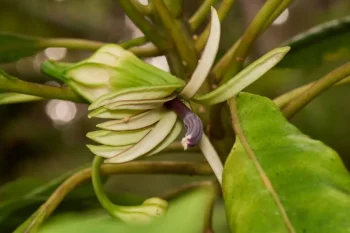
What really sets this plant apart is its exotic beauty. The tubular, curved flowers in shades of purple and reddish-purple create an unmistakably tropical appearance that screams authentic Hawaii in ways that many common landscaping plants simply can’t match.
Geographic Distribution and Natural Habitat
This botanical treasure is found only in Hawaii, specifically on the Big Island where it grows naturally in cool, moist forest environments. It’s what botanists call a facultative upland plant, meaning it usually prefers non-wetland areas but can occasionally tolerate wetter conditions.
- Species observed
- No observations
Important Conservation Considerations
Here’s where things get serious: ‘oha kepau has a Global Conservation Status of S3, which means it’s considered vulnerable. With only 21-100 known occurrences and between 3,000-10,000 individuals remaining in the wild, this plant is walking a tightrope toward extinction.
If you’re interested in growing ‘oha kepau, please only source it from reputable native plant nurseries that practice responsible propagation. Never collect from wild populations – every plant in nature is crucial for the species’ survival.
Garden Role and Landscape Design
‘Oha kepau serves beautifully as:
- A specimen plant in native Hawaiian gardens
- An understory shrub in tropical shade gardens
- A key component in forest restoration projects
- A conversation starter for conservation-minded gardeners
This isn’t a plant for formal landscapes or high-maintenance gardens. Instead, it shines in naturalistic settings that mimic its native forest habitat.
Growing Conditions and Care
Successfully growing ‘oha kepau requires recreating its native Hawaiian forest environment:
- USDA Hardiness Zones: 10-11 only (it needs truly tropical conditions)
- Light: Filtered shade to partial shade – direct sun is generally too harsh
- Moisture: Consistent humidity and soil moisture without waterlogging
- Soil: Well-draining but moisture-retentive, ideally mimicking forest floor conditions
- Temperature: Cool, stable temperatures similar to mountain forests
Planting and Care Tips
Growing ‘oha kepau successfully is definitely advanced-level gardening. Here’s what you need to know:
- Plant in areas protected from strong winds and intense sun
- Maintain consistent soil moisture – never let it completely dry out
- Provide high humidity through misting or by grouping with other tropical plants
- Use organic mulch to keep roots cool and retain moisture
- Be patient – this isn’t a fast-growing plant
Wildlife and Pollinator Benefits
In its native habitat, ‘oha kepau evolved alongside Hawaiian honeycreepers – beautiful native birds that served as its primary pollinators. Sadly, many of these bird species are now extinct or critically endangered, which adds another layer to this plant’s conservation story.
While it may not attract the same pollinators in cultivation, growing ‘oha kepau helps preserve the genetic diversity of this rare species and supports broader conservation efforts.
Should You Grow ‘Oha Kepau?
This plant isn’t for everyone, and that’s okay. Consider ‘oha kepau if you:
- Live in USDA zones 10-11 with suitable growing conditions
- Are experienced with challenging tropical plants
- Are committed to conservation and responsible sourcing
- Want to support Hawaiian native plant preservation
- Have the patience for a slow-growing, high-maintenance beauty
If you’re new to native gardening or live outside tropical zones, consider starting with easier native plants first. But if you’re up for the challenge and committed to conservation, ‘oha kepau offers the rare opportunity to help preserve a piece of Hawaii’s irreplaceable natural heritage right in your own garden.
Remember: every ‘oha kepau grown in cultivation from responsibly sourced material is a small victory for conservation. Just make sure you’re ready for the commitment this beautiful but demanding plant requires.