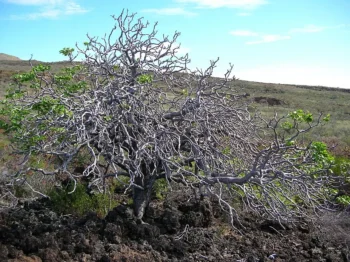
‘Ohe Makai: Growing Hawaii’s Rare Native Tree
If you’re passionate about Hawaiian native plants and conservation gardening, you’ve probably heard whispers about ‘ohe makai. This remarkable tree, scientifically known as Reynoldsia sandwicensis, is one of Hawaii’s most precious botanical treasures – and unfortunately, one of its rarest.
What Makes ‘Ohe Makai Special?
‘Ohe makai is a stunning native Hawaiian tree that embodies the tropical paradise we all imagine when we think of the islands. With its attractive palmate compound leaves that fan out like green fireworks, this perennial tree creates an instant tropical ambiance wherever it grows. As a true tree species, it typically reaches heights of 13-16 feet or more, developing a single trunk that gives it a stately presence in any landscape.
Where You’ll Find This Hawaiian Native
This beautiful tree is endemic to Hawaii, meaning it exists nowhere else on Earth. You’ll find it naturally growing across the Hawaiian Islands, where it has evolved over thousands of years to thrive in the unique island ecosystem.
- Species observed
- No observations
A Conservation Concern
Here’s where things get serious, folks. ‘Ohe makai has a Global Conservation Status of S2, which translates to Imperiled. This means the species is extremely rare, with typically only 6 to 20 occurrences remaining and fewer than 1,000 to 3,000 individual plants left in the wild. This rarity makes every single ‘ohe makai tree incredibly precious.
Important: If you’re considering adding this tree to your garden, please only source it from reputable native plant nurseries that propagate from legally and ethically collected seeds or cuttings. Never collect from wild populations – they need every individual to survive.
Why Grow ‘Ohe Makai?
Despite its rarity (or perhaps because of it), there are compelling reasons to consider this native Hawaiian tree:
- Conservation impact: Every responsibly grown tree contributes to species preservation
- Cultural significance: You’re growing a piece of authentic Hawaiian heritage
- Unique beauty: Its distinctive foliage creates an unmistakable tropical look
- Native ecosystem support: Provides habitat and nectar for native Hawaiian insects
- Conversation starter: A rare tree that’s sure to intrigue visitors
Growing Conditions and Care
‘Ohe makai thrives in tropical conditions, making it suitable for USDA hardiness zones 10-12 only. If you live outside these zones, this tree isn’t for you – it simply can’t tolerate cold temperatures.
For successful cultivation, provide:
- Climate: Warm, tropical conditions year-round
- Light: Partial shade to full sun
- Soil: Moist, well-draining soil
- Water: Consistent moisture without waterlogging
- Protection: Shelter from strong winds that could damage branches
Landscape Design Ideas
‘Ohe makai works beautifully as a specimen tree in tropical gardens, Hawaiian native plant collections, or conservation-focused landscapes. Its moderate size makes it suitable for residential gardens, while its rarity gives it special status in botanical collections or educational gardens.
The Bottom Line
‘Ohe makai represents both an opportunity and a responsibility. While it’s a gorgeous addition to any tropical garden, its imperiled status means we must approach it with respect and care. If you decide to grow this rare beauty, source it responsibly and consider yourself a guardian of Hawaiian botanical heritage.
Remember, every ‘ohe makai tree grown in cultivation is potentially one more step back from the brink of extinction – and that’s a pretty amazing legacy to have growing in your backyard.