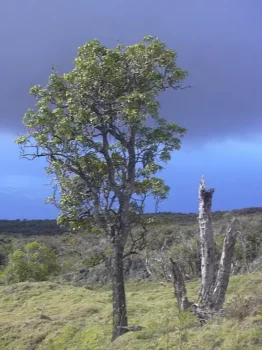
‘Ohe Mauka: Hawaii’s Rare Native Treasure Worth Protecting in Your Garden
If you’re passionate about native Hawaiian plants and conservation gardening, you’ve probably heard whispers about ‘ohe mauka. This remarkable shrub, scientifically known as Tetraplasandra oahuensis, represents one of Hawaii’s most precious botanical treasures – and one that desperately needs our help to survive.
What Makes ‘Ohe Mauka Special?
‘Ohe mauka is a stunning perennial shrub that’s as beautiful as it is rare. Picture large, glossy palmate leaves that create an instant tropical vibe, paired with delicate clusters of small flowers that seem to whisper stories of ancient Hawaii. This multi-stemmed woody beauty typically grows 13-16 feet tall, though it can stretch taller under the right conditions.
But here’s what makes this plant truly extraordinary: it’s found nowhere else on Earth except Hawaii. This endemic species is a living piece of the islands’ natural heritage, having evolved in isolation over millions of years.
Where Does ‘Ohe Mauka Call Home?
‘Ohe mauka is native exclusively to Hawaii, where it once thrived across various islands. Today, you’ll find it primarily on Oahu, clinging to existence in scattered locations across the island chain.
- Species observed
- No observations
A Plant in Crisis: Understanding Its Rarity
Here’s where things get serious. ‘Ohe mauka carries a Global Conservation Status of S1, which translates to Critically Imperiled. What does this mean? We’re talking about fewer than 1,000 individual plants remaining in the wild, spread across just five or fewer known locations. This shrub is teetering on the edge of extinction.
The classification tells a sobering story: this species is extremely vulnerable due to habitat loss, invasive species competition, and other environmental pressures. Every single plant matters when you’re working with numbers this small.
Why Grow ‘Ohe Mauka? (And Why It Matters)
Despite its rarity – or perhaps because of it – ‘ohe mauka deserves a place in conservation-minded gardens. Here’s why:
- Conservation impact: Growing this species helps preserve Hawaii’s unique botanical heritage
- Aesthetic value: Those large, tropical leaves create stunning visual interest and authentic Hawaiian ambiance
- Pollinator support: The flowers attract native Hawaiian insects, supporting local ecosystem health
- Cultural significance: You’re maintaining a connection to traditional Hawaiian landscapes
- Educational opportunity: Perfect conversation starter about native plant conservation
The Right Garden for ‘Ohe Mauka
This isn’t a plant for every garden, and that’s okay. ‘Ohe mauka thrives in:
- Native Hawaiian restoration gardens
- Tropical landscape designs emphasizing authenticity
- Conservation collections
- Educational botanical gardens
- Partially shaded areas that mimic natural forest understory conditions
It’s particularly well-suited for gardeners in USDA hardiness zones 10-12, where the tropical to subtropical climate can support its needs.
Growing Conditions: What ‘Ohe Mauka Needs
Success with ‘ohe mauka requires mimicking its natural habitat. In Hawaii, this plant has a Facultative Upland wetland status, meaning it usually prefers non-wetland conditions but can tolerate some moisture.
Here’s what your ‘ohe mauka will love:
- Light: Partial shade to filtered sunlight (think forest understory)
- Soil: Well-draining but consistently moist, rich organic matter
- Humidity: High humidity levels typical of tropical environments
- Protection: Shelter from strong winds that could damage those beautiful large leaves
- Space: Room to spread as a multi-stemmed shrub
Planting and Care: A Gentle Approach
Given this plant’s critical status, approach cultivation with extra care:
- Provide consistent moisture without waterlogging
- Mulch around the base to retain humidity and suppress weeds
- Young plants may need staking or support until established
- Monitor for any signs of stress and adjust conditions accordingly
- Be patient – like many native Hawaiian plants, ‘ohe mauka may take time to establish
The Responsibility Factor: Source Ethically or Don’t Plant at All
Here’s the most important part of this entire article: if you decide to grow ‘ohe mauka, you absolutely must source it responsibly. With so few plants remaining in the wild, every single specimen is precious.
Never collect from wild populations. Instead, work only with:
- Reputable native plant nurseries with documented propagation programs
- Botanical gardens with established conservation collections
- University extension programs focused on native plant preservation
- Conservation organizations with proper permits and ethical practices
If you can’t find responsibly sourced plants, consider supporting ‘ohe mauka conservation through donations or volunteer work instead of attempting to grow it yourself.
The Bigger Picture
‘Ohe mauka represents more than just another pretty plant for your garden. It’s a living symbol of Hawaii’s unique natural heritage and a reminder of what we stand to lose when we don’t actively protect our native species.
By choosing to grow this remarkable shrub – responsibly – you’re joining a conservation effort that extends far beyond your garden boundaries. You’re helping ensure that future generations will still be able to experience the wonder of Hawaii’s endemic plants.
Whether ‘ohe mauka finds a home in your garden or simply captures your imagination, remember that every action we take to support native plants makes a difference. In a world where species are disappearing at an alarming rate, choosing to care about plants like ‘ohe mauka is both an act of hope and a commitment to the future.