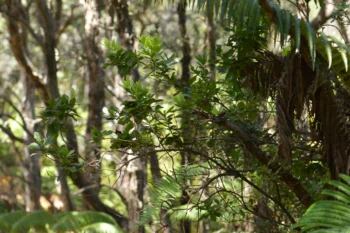
Ohelo Kau La’au: Hawaii’s Hidden Mountain Gem
If you’re looking to add authentic Hawaiian character to your mountain garden, let me introduce you to a real treasure: ohelo kau la’au (Vaccinium calycinum). This native Hawaiian shrub might not be as famous as its mainland blueberry cousins, but it’s got its own unique charm that makes it a standout choice for the right gardener.
What Makes Ohelo Kau La’au Special?
Ohelo kau la’au is a perennial shrub that’s been calling the Hawaiian Islands home long before any of us arrived on the scene. This multi-stemmed woody plant typically stays under 13-16 feet tall, making it a perfect fit for those tricky spots where you need something substantial but not overwhelming.
What really sets this plant apart is its delicate beauty. Picture small, bell-shaped flowers in white or soft pink that eventually give way to dark, berry-like fruits. The evergreen foliage provides year-round interest, creating a lovely backdrop in any native Hawaiian landscape.
Where You’ll Find This Native Beauty
This shrub is exclusively native to Hawaii, where it thrives in the cooler mountain regions and subalpine areas. You won’t find it growing wild anywhere else in the world, which makes it extra special for those wanting to create an authentic Hawaiian garden experience.
- Species observed
- No observations
A Word of Caution: Rarity Matters
Here’s something important every responsible gardener should know: ohelo kau la’au has a vulnerable conservation status. With only 21 to 100 known occurrences and between 3,000 to 10,000 individuals in the wild, this plant is considered at risk. If you’re thinking about adding it to your garden (and I hope you are!), please make sure you’re getting your plants from reputable nurseries that source responsibly. Never collect from wild populations.
Perfect Spots for Ohelo Kau La’au
This versatile shrub works beautifully in several garden settings:
- Native Hawaiian restoration gardens
- Mountain and upland landscapes
- Naturalistic garden designs
- Areas needing erosion control
- Understory plantings beneath taller native trees
Thanks to its facultative wetland status, ohelo kau la’au can handle both well-drained and occasionally moist conditions, giving you some flexibility in placement.
Growing Conditions That Make It Happy
Like most mountain plants, ohelo kau la’au appreciates:
- Well-draining, acidic soils
- Partial shade to full sun (it’s pretty adaptable)
- Cooler mountain climates
- USDA hardiness zones 9-11 (think Hawaiian mountain conditions)
Planting and Care Tips
The good news? This native isn’t particularly fussy once established. Here’s how to set it up for success:
- Plant in well-draining soil – waterlogged roots are not its friend
- Add a layer of organic mulch to keep roots cool and retain moisture
- Water regularly during establishment, then reduce as the plant matures
- Minimal pruning needed – just remove any dead or damaged branches
- Be patient – like many natives, it may take time to establish but will reward you with years of beauty
Supporting Hawaiian Ecosystems
By choosing ohelo kau la’au, you’re not just adding a beautiful plant to your garden – you’re supporting native Hawaiian ecosystems. The flowers provide nectar for native insects and other pollinators, while the shrub itself offers habitat and food sources for local wildlife.
Is Ohelo Kau La’au Right for Your Garden?
This native Hawaiian shrub is perfect if you:
- Live in Hawaii’s mountain regions
- Want to create an authentic native landscape
- Appreciate subtle, understated beauty
- Are committed to conservation-minded gardening
- Have well-draining soil and can provide appropriate growing conditions
Remember, choosing native plants like ohelo kau la’au isn’t just about creating a beautiful garden – it’s about preserving Hawaii’s unique botanical heritage for future generations. When you plant responsibly sourced ohelo kau la’au, you’re becoming part of the conservation effort while enjoying a truly special piece of Hawaiian nature.