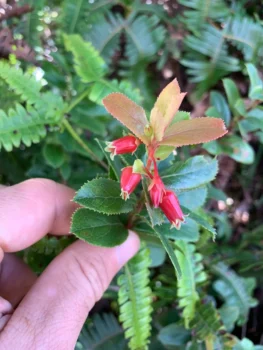
Ohelo: Hawaii’s Treasured Native Berry Shrub
If you’re looking to add a piece of authentic Hawaiian heritage to your garden, ohelo (Vaccinium dentatum) might just be the perfect choice. This charming native shrub isn’t just another pretty face in the landscape—it’s a living connection to Hawaii’s natural and cultural history that deserves a special place in island gardens.
What Makes Ohelo Special?
Ohelo is a perennial shrub that’s as Hawaiian as it gets—this species is found nowhere else in the world except the Hawaiian Islands. With its delicate bell-shaped flowers and dark berries, it brings both beauty and cultural significance to any garden lucky enough to host it.
This multi-stemmed woody shrub typically stays under 13-16 feet tall, making it a manageable size for most home landscapes. Its relatively compact growth habit means it won’t overwhelm smaller spaces, yet it’s substantial enough to make a real impact in your garden design.
Where Ohelo Calls Home
Ohelo is native exclusively to Hawaii, where it grows naturally across the island chain. You’ll find it thriving in Hawaii’s unique climate conditions, from coastal areas to higher elevations.
- Species observed
- No observations
A Word of Caution: Rarity Matters
Here’s something important every potential ohelo grower should know: this beautiful shrub has a Global Conservation Status of S3, meaning it’s considered vulnerable. With only 21 to 100 occurrences estimated worldwide, ohelo is quite rare and needs our protection.
Does this mean you shouldn’t grow it? Not at all! In fact, responsible cultivation can help preserve this species. Just make absolutely sure you source your plants from reputable nurseries that propagate ohelo ethically, rather than collecting from wild populations.
Garden Design and Landscape Use
Ohelo shines in several garden settings:
- Native Hawaiian gardens and restoration projects
- Cultural and heritage landscapes
- Naturalistic plantings that celebrate local biodiversity
- Mixed shrub borders where you want something truly unique
Its moderate size makes it perfect as a specimen plant or grouped with other native Hawaiian species for a cohesive island aesthetic.
Growing Conditions and Care
The good news for gardeners is that ohelo isn’t particularly fussy once you understand its preferences. As a facultative upland plant, it usually thrives in non-wetland conditions but can tolerate some moisture variation.
For best results, provide:
- Well-draining soil (this is crucial!)
- USDA hardiness zones 10-12
- Protection from strong winds in exposed locations
- Moderate watering once established
Planting and Ongoing Care
Once you’ve sourced your ohelo responsibly, planting is straightforward. Choose a spot with good drainage—soggy soil is this shrub’s biggest enemy. After planting, water regularly until established, then back off to moderate, deep watering.
Maintenance is refreshingly minimal. Occasional light pruning to maintain shape and remove any dead or damaged branches is usually all that’s needed. In areas with browsing animals, you might need to provide some protection for young plants.
Benefits Beyond Beauty
Ohelo flowers attract pollinators, contributing to your garden’s ecological health. The cultural significance of this plant in Hawaiian tradition adds another layer of meaning to your landscape—you’re not just growing a pretty shrub, you’re helping preserve a piece of Hawaii’s natural heritage.
Should You Plant Ohelo?
If you garden in Hawaii or a similar tropical climate, and you’re committed to sourcing plants responsibly, ohelo can be a wonderful addition to your landscape. Just remember that with rarity comes responsibility—this isn’t a plant to share casually with neighbors or propagate carelessly.
By choosing ohelo, you’re making a statement about conservation, cultural preservation, and the value of native plants. It’s a small shrub with a big impact, both in your garden and in the bigger picture of Hawaiian biodiversity conservation.