Ohiaku: Hawaii’s Delicate Filmy Fern Worth Protecting
Meet the ohiaku (Hymenophyllum recurvum), one of Hawaii’s most enchanting yet vulnerable native ferns. Also known as ‘ohi’a ku, this delicate beauty belongs to a fascinating group called filmy ferns—and once you understand why they earned that name, you’ll be captivated by their almost magical appearance.
What Makes Ohiaku Special?
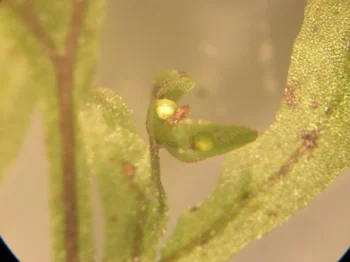
Ohiaku is a perennial fern that’s about as delicate as plants get. Its fronds are so thin they’re practically translucent, creating an almost ethereal quality when light filters through them. This filmy fern grows as what botanists call a forb—essentially a non-woody plant that lacks significant woody tissue above ground.
What’s particularly remarkable about ohiaku is that it’s endemic to Hawaii, meaning it exists nowhere else on Earth. This makes it a true treasure of the Hawaiian Islands and a living piece of the archipelago’s unique natural heritage.
Where Does Ohiaku Grow?
You’ll find ohiaku exclusively in Hawaii, where it thrives in the islands’ unique microclimates. This fern has adapted to life in highly humid environments and typically grows in shaded areas with consistent moisture.
- Species observed
- No observations
A Conservation Concern
Here’s something important every gardener should know: ohiaku has a Global Conservation Status of S3, which means it’s considered vulnerable. With typically only 21 to 100 occurrences and between 3,000 to 10,000 individuals remaining, this fern is at risk of disappearing from its native habitat.
If you’re considering growing ohiaku, please ensure you source it responsibly from reputable native plant nurseries that propagate rather than wild-harvest their specimens. Never collect this fern from the wild.
Growing Conditions and Care
Ohiaku is definitely not your average houseplant—it requires very specific conditions to thrive:
- Climate: USDA hardiness zones 10-12 only (tropical and subtropical regions)
- Humidity: Extremely high humidity requirements
- Light: Filtered, indirect light—direct sun will quickly damage the delicate fronds
- Moisture: Consistently moist conditions, as it’s classified as a facultative wetland plant
- Protection: Shelter from wind, which can quickly desiccate the thin fronds
Is Ohiaku Right for Your Garden?
Ohiaku works beautifully in specialized situations:
- Shade gardens: Perfect for creating texture and interest in deeply shaded areas
- Tropical gardens: Adds authentic Hawaiian flora to tropical landscape designs
- Conservation gardens: Ideal for gardeners committed to preserving rare native species
- Humid microclimates: Excellent for areas near water features or in naturally humid spots
Wildlife and Ecological Benefits
While ohiaku doesn’t produce flowers to attract pollinators (ferns reproduce via spores instead), it plays an important role in Hawaii’s native ecosystem. As a native species, it provides habitat and contributes to the complex web of relationships that make Hawaiian forests unique.
How to Identify Ohiaku
Look for these distinctive features:
- Extremely thin, almost transparent fronds
- Delicate, lacy appearance
- Growth in very humid, shaded locations
- Small size compared to more common fern species
- Presence in Hawaiian native forest environments
The Bottom Line
Ohiaku is a remarkable fern that represents the unique beauty and fragility of Hawaii’s native flora. While it can be challenging to grow and requires very specific conditions, it’s an invaluable addition to conservation-minded gardens in appropriate climates. If you choose to grow this vulnerable species, please do so responsibly and consider it an opportunity to participate in preserving Hawaii’s irreplaceable natural heritage.
Remember: with great beauty comes great responsibility. Growing rare native plants like ohiaku is as much about conservation as it is about gardening.