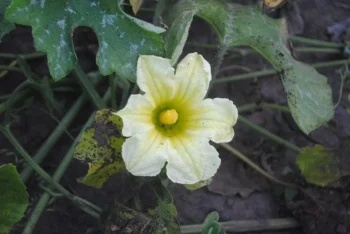
Okeechobee Gourd: Florida’s Rare Native Treasure
Meet the Okeechobee gourd (Cucurbita okeechobeensis), one of Florida’s most endangered native plants and a true botanical gem that’s as rare as it is fascinating. This little-known member of the squash family has a story that’s both inspiring and sobering for native plant enthusiasts.
A Plant on the Brink
Before we dive into growing tips, let’s talk about something crucial: this plant is critically imperiled. With a Global Conservation Status of S1, the Okeechobee gourd typically has five or fewer occurrences in the wild, with fewer than 1,000 individuals remaining. That makes it rarer than many animals on the endangered species list!
If you’re considering adding this species to your garden, please only source seeds or plants from reputable native plant nurseries that practice responsible propagation. Never collect from wild populations.
Where It Calls Home
True to its name, the Okeechobee gourd is endemic to Florida, with its historic range centered around the Lake Okeechobee region. This annual herb is found nowhere else in the world, making Florida gardeners the exclusive stewards of this species.
- Species observed
- No observations
What Makes It Special
The Okeechobee gourd is an annual forb—essentially a non-woody flowering plant that completes its entire life cycle in one growing season. As a trailing vine, it produces cheerful yellow flowers that attract bees and other pollinators, followed by small ornamental gourds that add unique character to any native garden.
This plant has an interesting taxonomic history too, previously classified as Pepo okeechobeensis before botanists settled on its current name.
Growing Conditions: It’s All About the Water
Here’s where things get interesting (and a bit challenging): the Okeechobee gourd is an obligate wetland species. This means it almost always occurs in wetlands and requires consistently moist to wet soil conditions to thrive.
Key growing requirements include:
- USDA Hardiness Zones 9-11 (Florida’s warm climate)
- Full sun to partial shade
- Consistently moist to wet soils
- Wetland or bog garden conditions
- Good drainage despite moisture requirements
Perfect Garden Scenarios
The Okeechobee gourd isn’t your typical backyard plant, but it can be a showstopper in the right setting:
- Wetland gardens: Perfect for rain gardens or areas with natural water collection
- Conservation plantings: Ideal for habitat restoration projects
- Native plant collections: A prized addition for serious native plant enthusiasts
- Educational gardens: Excellent for teaching about plant conservation
Planting and Care Tips
Growing this rare beauty requires some special considerations:
- Timing: Plant in spring after the last frost, as it’s an annual that won’t survive winter
- Soil prep: Ensure your planting area stays consistently moist—consider installing a drip irrigation system
- Space: Give it room to trail and spread as a ground cover
- Maintenance: Once established, it’s relatively low-maintenance but requires consistent moisture
- Seed saving: Collect seeds from mature fruits to continue the cycle next year
The Pollinator Connection
Like its cultivated cousins in the squash family, the Okeechobee gourd produces flowers that are magnets for bees and other pollinators. The bright yellow blooms provide nectar and pollen, making this rare plant a valuable contributor to Florida’s pollinator network.
Should You Grow It?
The Okeechobee gourd presents a unique opportunity for Florida gardeners who are passionate about conservation. While it’s not the easiest plant to grow due to its specific wetland requirements, successfully cultivating this species can contribute to its conservation while adding a truly unique element to your native plant collection.
However, this isn’t a plant for beginners or those looking for low-maintenance options. Its wetland requirements and rare status mean it needs dedicated care and appropriate growing conditions.
If you’re ready for the challenge and can provide the right conditions, the Okeechobee gourd offers the chance to grow one of Florida’s rarest plants while supporting local pollinators and contributing to conservation efforts. Just remember: source responsibly, and consider yourself a guardian of this precious species.