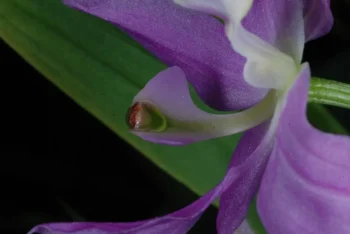
Oklahoma Grasspink: A Rare Native Orchid Worth Protecting
Meet the Oklahoma grasspink (Calopogon oklahomensis), a charming little native orchid that’s as special as it is elusive. This delicate perennial might just be the crown jewel of wetland wildflowers – if you’re lucky enough to spot one in the wild or brave enough to attempt growing it in your garden.
What Makes Oklahoma Grasspink Special?
Don’t let the name fool you – this isn’t actually a grass or a pink! Oklahoma grasspink is a genuine orchid that produces stunning pink-purple flowers that seem to dance on slender stems. As a native forb, it’s an herbaceous perennial that dies back to ground level each winter and returns with fresh growth in spring.
This little beauty is native to the lower 48 states and calls a impressive range of states home, stretching from the Deep South to the upper Midwest. You can find it naturally growing in Alabama, Arkansas, Georgia, Illinois, Indiana, Iowa, Kansas, Louisiana, Minnesota, Mississippi, Missouri, Oklahoma, South Carolina, Tennessee, Texas, and Wisconsin.
- Species observed
- No observations
The Conservation Reality Check
Here’s where things get serious, fellow gardeners. Oklahoma grasspink has a global conservation status of S3, which means it’s considered vulnerable throughout its range. In Arkansas and Oklahoma, it’s even rarer with an S2 status. This means we’re talking about a plant that typically has only 21 to 100 occurrences worldwide, with perhaps 3,000 to 10,000 individual plants total.
If you’re considering adding this orchid to your garden, please – and we cannot stress this enough – only source it from reputable native plant nurseries that propagate their own stock responsibly. Never dig plants from the wild, as this could contribute to local extinctions.
Growing Oklahoma Grasspink (If You Dare)
Let’s be honest: growing native orchids isn’t exactly beginner territory. Oklahoma grasspink is particularly finicky about its growing conditions, which is part of why it’s become so rare in the wild.
Ideal Growing Conditions:
- Consistently wet, acidic soils
- Full sun to partial shade
- Bog-like conditions or wetland edges
- USDA hardiness zones 4-9
- High humidity and good air circulation
Garden Applications:
This orchid is best suited for specialty gardens like:
- Bog gardens
- Native wetland restorations
- Rain gardens with permanent moisture
- Native plant collections for advanced gardeners
The Wildlife Connection
Like most native orchids, Oklahoma grasspink has evolved alongside native pollinators and provides nectar for various native bees and other beneficial insects. By supporting this rare species, you’re also supporting the intricate web of wildlife that depends on native plants.
Should You Grow It?
Oklahoma grasspink is definitely a proceed with caution plant. While it would make an extraordinary addition to the right garden, it requires very specific conditions and considerable expertise to grow successfully. Most gardeners would be better served by choosing easier native wetland plants that provide similar ecological benefits without the conservation concerns.
If you do decide to take on this challenge, make sure you:
- Have the right wet, acidic conditions
- Source plants only from ethical, conservation-minded nurseries
- Consider it a long-term conservation project rather than typical gardening
- Connect with local native orchid societies for growing advice
Sometimes the best way to appreciate rare native plants like Oklahoma grasspink is to support conservation efforts and enjoy them in their natural habitats. But for those with the right conditions and commitment to conservation, growing this rare orchid could be a meaningful way to help preserve a truly special piece of our native flora.