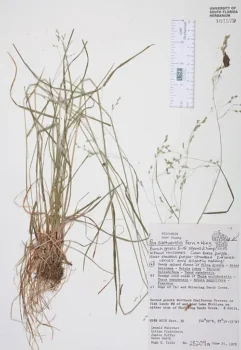
Old-Pasture Bluegrass: A Rare Native Grass Worth Protecting
Meet old-pasture bluegrass (Poa saltuensis), a delicate native grass that’s quietly making its mark in the world of native gardening. This perennial grass might not be the showiest plant in your garden, but it plays an important role in North American ecosystems and deserves a closer look from conservation-minded gardeners.
What Makes Old-Pasture Bluegrass Special?
Old-pasture bluegrass is a fine-textured, cool-season grass that forms loose, graceful tufts. While it may not have the bold presence of larger ornamental grasses, its subtle beauty lies in its delicate foliage and gentle, naturalized appearance. This grass is part of the larger bluegrass family, but don’t expect the dense lawn-like growth of its more famous cousin, Kentucky bluegrass.
Where Does It Call Home?
This native grass has quite an impressive range across eastern North America. You’ll find old-pasture bluegrass naturally occurring across numerous states and provinces, including New Brunswick, Nova Scotia, Ontario, Prince Edward Island, Quebec, and Newfoundland in Canada. In the United States, it grows from Maine down to North Carolina and west to Minnesota, Iowa, and Illinois.
- Species observed
- No observations
A Conservation Concern
Important note for gardeners: Old-pasture bluegrass has some concerning conservation status issues. In New Jersey, it’s listed as endangered, and it has a somewhat uncertain global conservation status. This means if you’re interested in growing this grass, you should only source it from reputable native plant nurseries that propagate their own stock rather than collecting from wild populations.
Growing Old-Pasture Bluegrass Successfully
The good news is that this grass isn’t particularly fussy once you understand its preferences. Here’s what you need to know:
Ideal Growing Conditions
- Light: Partial shade to full shade – this grass actually prefers cooler, shadier spots
- Soil: Moist to moderately dry soils; adaptable to various soil types
- Climate: Cool-season grass that thrives in USDA hardiness zones 3-7
- Temperature: Prefers cooler temperatures and may go dormant during hot summers
Planting and Care Tips
- Plant in spring or fall when temperatures are cooler
- Space plants to allow for natural clumping growth
- Water regularly during establishment, then reduce as the plant becomes established
- Very low maintenance once established – minimal fertilizer needed
- Allow plant to go dormant naturally in hot weather
Perfect Garden Roles
Old-pasture bluegrass shines in specific garden settings:
- Woodland gardens: Perfect understory grass for shaded areas
- Naturalized landscapes: Adds authentic native texture to wild gardens
- Shade ground cover: Gentle alternative to traditional shade plants
- Conservation gardens: Important for preserving native plant diversity
Wildlife and Ecosystem Benefits
While old-pasture bluegrass might not be a pollinator magnet (it’s wind-pollinated like most grasses), it still provides valuable ecosystem services. Native grasses like this one offer habitat for small wildlife, help prevent soil erosion, and contribute to the complex web of native plant communities that support local ecosystems.
Should You Plant It?
If you’re passionate about native plants and conservation, old-pasture bluegrass could be a meaningful addition to your garden. However, given its conservation concerns, approach this plant thoughtfully. Only purchase from nurseries that can verify they’re selling propagated (not wild-collected) plants, and consider it as part of a broader native plant garden rather than the star of the show.
This grass works best for gardeners who appreciate subtle beauty and want to support native plant conservation. If you’re looking for dramatic impact or a low-maintenance lawn substitute, you might want to consider other native grass options with more robust populations.
Remember, every native plant we grow responsibly in our gardens is a small step toward supporting biodiversity and preserving our natural heritage. Old-pasture bluegrass may be quiet and unassuming, but it’s carrying the genetic legacy of thousands of years of North American grassland evolution – and that’s pretty special indeed.