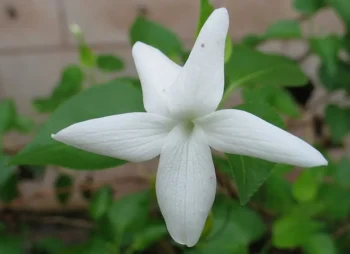
Olopu: A Rare Hawaiian Violet Worth Protecting in Your Garden
Meet olopu (Viola chamissoniana), a charming little Hawaiian violet that’s quietly making a big difference in native island ecosystems. This delicate perennial herb might not be the showiest plant in your garden, but what it lacks in flashiness, it more than makes up for in ecological importance and understated beauty.
A True Hawaiian Native
Olopu is endemic to Hawaii, meaning it evolved here and exists nowhere else on Earth. This makes it extra special – and extra vulnerable. As a forb herb, it’s a non-woody vascular plant that stays relatively low to the ground, perfect for filling in those tricky understory spots in your native Hawaiian landscape.
You’ll find this little violet naturally growing throughout the Hawaiian Islands, typically in cooler, shadier locations at higher elevations where it can escape the intense tropical sun.
- Species observed
- No observations
Why Your Garden Needs Olopu
Here’s where things get important: olopu has a conservation status of S2S3, which means it’s uncommon to rare in the wild. By growing this native violet in your garden, you’re not just adding a pretty groundcover – you’re actively participating in conservation efforts.
Important note: Because of its rarity, only plant olopu if you can source it responsibly from native plant nurseries or propagation programs. Never collect from the wild!
What Olopu Brings to Your Landscape
This little violet offers several benefits for Hawaiian gardeners:
- Delicate purple flowers that add subtle color to shaded areas
- Heart-shaped leaves that create interesting texture
- Low-growing habit perfect for ground cover
- Support for native Hawaiian pollinators and insects
- Authentic addition to native plant gardens
Growing Conditions and Care
Olopu has specific preferences that mirror its natural habitat:
Light: Partial shade to full shade – this isn’t a sun-worshipper
Soil: Moist but well-draining soil with good organic content
Water: Consistent moisture is key, but avoid waterlogged conditions
Temperature: Thrives in USDA zones 10-12, preferring cooler microclimates within these zones
Wetland status: Classified as Facultative Upland, meaning it usually prefers drier sites but can tolerate some wetness
Perfect Garden Companions
Olopu works beautifully in:
- Native Hawaiian plant gardens
- Woodland or forest-style landscapes
- Shaded rock gardens
- Under native trees like koa or ohia
- Along shaded pathways as a subtle accent
Planting and Maintenance Tips
Once you’ve sourced your olopu responsibly, here’s how to help it thrive:
- Plant in organically rich, well-amended soil
- Mulch around plants to retain moisture and suppress weeds
- Water regularly during dry periods, but ensure good drainage
- Protect from intense afternoon sun
- Be patient – like many natives, olopu may take time to establish
Supporting Hawaiian Biodiversity
By choosing to grow olopu, you’re making a statement about conservation and supporting Hawaiian biodiversity. This little violet may attract native insects and contribute to the complex web of relationships that make Hawaiian ecosystems unique.
Remember, every native plant in cultivation is a step toward preserving Hawaii’s natural heritage. Olopu might be small, but its impact on conservation can be mighty – especially when grown by gardeners who understand and appreciate its special place in Hawaiian nature.
So if you’re planning a native Hawaiian garden and can source olopu responsibly, consider adding this rare and lovely violet. Your garden will gain an authentic piece of Hawaiian flora, and you’ll be doing your part to keep this special endemic species thriving for future generations.