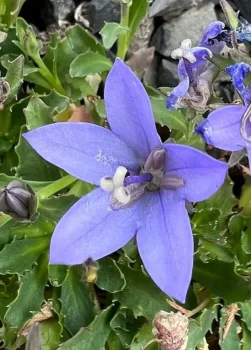
Olympic Bellflower: A Rare Pacific Northwest Treasure for Your Garden
If you’re passionate about native plants and love a good gardening challenge, the Olympic bellflower might just capture your heart. This delicate perennial is as special as it is beautiful, but growing it successfully requires some insider knowledge and a commitment to conservation.
What Makes Olympic Bellflower Special?
The Olympic bellflower (Campanula piperi) is a true Pacific Northwest native, found exclusively in Washington state. This charming perennial forb produces the classic bell-shaped flowers that make the Campanula family so beloved, typically displaying lovely blue to purple blooms that dance in mountain breezes.
As a herbaceous perennial, this plant lacks woody stems but returns year after year from its root system. It’s perfectly adapted to the unique conditions of its mountainous home, making it a fascinating addition for gardeners who appreciate plants with a story.
Where Does It Call Home?
This rare beauty is endemic to Washington state, where it has carved out a niche in the Olympic Mountains. Its limited geographic distribution makes it a true regional treasure.
- Species observed
- No observations
A Word About Rarity
Here’s something important every gardener should know: Olympic bellflower has a Global Conservation Status of S3, meaning it’s considered vulnerable. With only an estimated 21 to 100 occurrences and between 3,000 to 10,000 individuals in the wild, this plant needs our help to survive.
If you’re interested in growing Olympic bellflower, please ensure you source your plants responsibly from reputable native plant nurseries that propagate rather than wild-collect their stock. Never dig plants from the wild – it’s both illegal and harmful to already vulnerable populations.
Is Olympic Bellflower Right for Your Garden?
This isn’t your typical backyard perennial, but for the right gardener, it can be incredibly rewarding. Consider Olympic bellflower if you:
- Love alpine and rock garden plants
- Want to support native plant conservation
- Enjoy growing rare and unique species
- Have experience with plants that need excellent drainage
- Live in a climate similar to the Pacific Northwest mountains
Garden Design Ideas
Olympic bellflower shines in specialized garden settings. It’s perfect for:
- Rock gardens where its delicate form can be appreciated up close
- Alpine plant collections
- Native plant demonstration gardens
- Specialized perennial borders with other Pacific Northwest natives
Its low-growing habit and delicate flowers make it ideal for intimate spaces where visitors can truly appreciate its subtle beauty.
Growing Conditions and Care
Success with Olympic bellflower depends on mimicking its natural mountain habitat. While specific cultivation information is limited due to its rarity, here’s what we can infer from its native environment:
- Drainage: Excellent drainage is absolutely critical – think alpine conditions
- Soil: Well-draining, possibly rocky or sandy soil
- Climate: Cool, moist conditions similar to mountain environments
- Hardiness: Likely hardy in USDA zones 5-8, based on its native range
Pollinator and Wildlife Benefits
Like other bellflowers, Olympic bellflower likely attracts native bees and other small pollinators with its bell-shaped blooms. By growing this rare native, you’re not only adding beauty to your garden but also supporting local ecosystem health and biodiversity.
The Bottom Line
Olympic bellflower is a plant for dedicated native plant enthusiasts who understand the responsibility that comes with growing rare species. While it may not be the easiest plant to find or grow, the opportunity to help conserve this Pacific Northwest endemic makes it worthwhile for the right gardener.
Remember: always source responsibly, never collect from the wild, and consider this plant as part of a broader commitment to native plant conservation. Your garden can become a small but important sanctuary for this vulnerable species.