Olympic Larkspur: A Stunning Native Wildflower for Pacific Northwest Gardens
If you’re looking to add dramatic vertical interest to your Pacific Northwest garden while supporting local ecosystems, Olympic larkspur (Delphinium glareosum) might just be the perfect native perennial for you. This gorgeous wildflower brings the classic elegance of delphiniums to naturalized gardens with the added bonus of being perfectly adapted to our regional climate.
What Makes Olympic Larkspur Special?
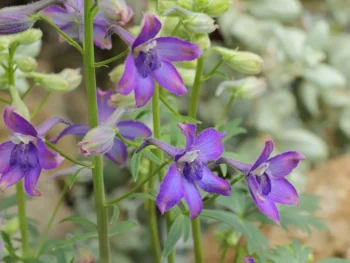
Olympic larkspur is a native herbaceous perennial that belongs to the buttercup family. Unlike its more common garden cousins, this delphinium has evolved specifically for the cool, moist conditions of the Pacific Northwest. The plant produces striking tall spikes adorned with deep blue to purple flowers that can reach impressive heights, creating stunning focal points in any garden setting.
As a forb (a non-woody flowering plant), Olympic larkspur dies back to the ground each winter and emerges fresh each spring, making it a true perennial that will return year after year with proper care.
Where Does Olympic Larkspur Grow Naturally?
This beautiful native wildflower calls the Pacific Northwest home, naturally occurring in British Columbia, Washington, and Oregon. It’s perfectly adapted to our unique climate and growing conditions, which means it’s more likely to thrive in regional gardens than non-native alternatives.
- Species observed
- No observations
Why Choose Olympic Larkspur for Your Garden?
There are several compelling reasons to consider adding this native beauty to your landscape:
- Native plant benefits: Supports local wildlife and pollinators that have evolved alongside it
- Low maintenance: Once established, it’s adapted to local conditions and requires less intervention than non-native plants
- Pollinator magnet: The tubular flowers are particularly attractive to hummingbirds and native bees
- Vertical drama: Adds height and structure to garden beds and naturalized areas
- Authentic regional character: Helps create landscapes that reflect the natural beauty of the Pacific Northwest
Important Conservation Note
Olympic larkspur has a conservation status that suggests it may be somewhat uncommon in parts of its range. If you’re interested in growing this plant, make sure to source it from reputable native plant nurseries that grow their stock from seed rather than collecting from wild populations. This helps protect wild stands while still allowing gardeners to enjoy this beautiful native.
Ideal Growing Conditions
Olympic larkspur thrives in conditions similar to its natural habitat:
- Light: Partial shade to full sun (morning sun with afternoon shade is ideal)
- Soil: Well-draining soil that doesn’t stay waterlogged
- Moisture: Consistent moisture during growing season, but can tolerate some summer dryness
- Climate: Hardy in USDA zones 4-8, perfect for most Pacific Northwest gardens
- Temperature: Prefers cool, moist conditions and may go dormant during hot summer weather
Planting and Care Tips
Growing Olympic larkspur successfully is quite manageable with these guidelines:
- Best planting time: Early spring or fall when temperatures are cooler
- Spacing: Allow adequate space for air circulation to prevent fungal issues
- Watering: Keep consistently moist during active growing season, reduce watering as it goes dormant
- Support: Tall flower spikes may benefit from discrete staking in windy locations
- Maintenance: Allow foliage to die back naturally to feed the roots for next year’s growth
- Fertilizing: Generally unnecessary; rich soils may actually reduce flowering
Perfect Garden Companions
Olympic larkspur works beautifully in native plant gardens, woodland edges, and naturalized landscapes. Consider pairing it with other Pacific Northwest natives like wild ginger, inside-out flower, or native ferns for a cohesive regional look that benefits local wildlife.
Is Olympic Larkspur Right for Your Garden?
This native larkspur is an excellent choice for gardeners who want to create authentic Pacific Northwest landscapes while supporting local ecosystems. It’s particularly well-suited for those who appreciate the natural look of wildflower gardens and don’t mind plants that follow natural seasonal rhythms, including summer dormancy.
However, it might not be the best choice if you’re looking for non-stop color all season long or prefer highly manicured formal gardens. Like many natives, Olympic larkspur has its own schedule and growing patterns that are best appreciated by gardeners who enjoy working with nature rather than against it.
With proper siting and care, Olympic larkspur can be a stunning and environmentally beneficial addition to Pacific Northwest gardens, bringing both beauty and ecological value to your outdoor space.