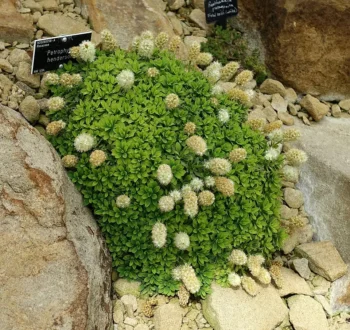
Olympic Mountain Rockmat: A Rare Alpine Treasure for Your Rock Garden
If you’re passionate about alpine plants and rock gardening, you’ve probably dreamed of growing something truly special – something that captures the rugged beauty of mountain landscapes right in your backyard. Enter Olympic Mountain rockmat (Petrophytum hendersonii), a remarkable little shrub that’s as rare as it is beautiful.
What Makes Olympic Mountain Rockmat Special?
This perennial shrub is a true Pacific Northwest native, found exclusively in Washington State. Also known by its scientific name Petrophytum hendersonii (and historically as Spiraea hendersonii), this plant is a living piece of Olympic Mountains heritage. It’s a low-growing shrub that stays wonderfully compact, typically under 1.5 feet tall and never exceeding 3 feet at maturity – perfect for gardeners who love plants with good manners!
Where Does It Come From?
Olympic Mountain rockmat is endemic to Washington State, where it clings to rocky outcrops and crevices in its mountain home. This limited native range makes it incredibly special but also vulnerable.
- Species observed
- No observations
A Word of Caution: Rarity Matters
Here’s something important every gardener should know: Olympic Mountain rockmat has a Global Conservation Status of S3, meaning it’s considered vulnerable. With typically only 21 to 100 occurrences and between 3,000 to 10,000 individuals in the wild, this plant is quite rare. If you decide to grow it, please only purchase from reputable nurseries that use responsibly sourced, propagated material – never collect from the wild.
Why Grow Olympic Mountain Rockmat?
Despite its rarity challenges, there are compelling reasons to consider this plant:
- Stunning aesthetic appeal with small white flowers arranged in dense, eye-catching clusters
- Forms beautiful mats that cascade over rocks and stone walls
- Perfect for rock gardens, alpine gardens, and xerophytic landscapes
- Attracts beneficial pollinators including native bees and flies
- Extremely low maintenance once established
- Authentic Pacific Northwest character for regional gardens
Growing Conditions and Care
Olympic Mountain rockmat thrives in conditions that mimic its mountain home:
- Soil: Rocky, gravelly, or sandy soils with excellent drainage (this is non-negotiable!)
- Light: Full sun to partial shade
- Water: Drought tolerant once established; avoid overwatering
- Climate: Hardy in USDA zones 5-8
Planting and Care Tips
Success with Olympic Mountain rockmat is all about drainage and restraint:
- Plant in spring or early fall
- Amend heavy soils with gravel or coarse sand
- Water sparingly – this plant prefers to be on the dry side
- Avoid fertilizing; it prefers lean soils
- Mulch with gravel rather than organic matter
- Be patient – alpine plants often grow slowly but reward you with longevity
Perfect Garden Situations
Olympic Mountain rockmat shines in:
- Rock gardens and alpine collections
- Crevices in stone walls or rock features
- Drought-tolerant landscapes
- Native plant gardens focused on Pacific Northwest species
- Containers with excellent drainage (use alpine plant mix)
The Bottom Line
Olympic Mountain rockmat isn’t for every gardener or every garden, but for those who appreciate rare alpine beauty and can provide the right conditions, it’s a true treasure. Its compact size, beautiful flowers, and unique Pacific Northwest heritage make it worth seeking out – just remember to source it responsibly. If you can master its simple but specific needs, you’ll have a living piece of the Olympic Mountains gracing your garden for years to come.
Consider this plant if you’re an experienced rock gardener looking for something special, or if you’re passionate about preserving and growing native Pacific Northwest species. Your garden – and local pollinators – will thank you for it!