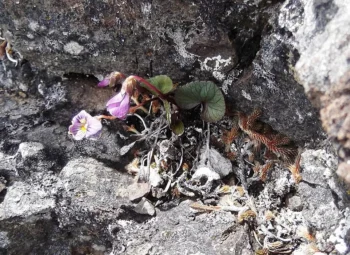
Olympic Violet: A Rare Pacific Northwest Treasure for Your Shade Garden
If you’re looking to add a touch of Pacific Northwest authenticity to your shade garden, the Olympic violet (Viola flettii) might just be the charming little perennial you’ve been searching for. This delicate native wildflower brings both beauty and ecological value to the right garden setting, though its rarity makes it a special consideration for conscientious gardeners.
What Makes Olympic Violet Special?
The Olympic violet is a true Washington native, found exclusively in the state’s unique ecosystems. As a perennial forb (that’s garden-speak for a non-woody flowering plant), this low-growing beauty produces the classic heart-shaped leaves and delicate violet blooms that make this plant family so beloved. Unlike some of its more common violet cousins, Viola flettii has adapted specifically to the cool, moist conditions of the Pacific Northwest.
Where Does Olympic Violet Grow Wild?
This little gem is endemic to Washington state, making it a true local treasure. You’ll find it naturally occurring in the shadier, more protected areas of the region’s forests and woodlands, where it has evolved to thrive in the filtered light beneath the forest canopy.
- Species observed
- No observations
A Word About Rarity
Here’s where things get important: Olympic violet carries a Global Conservation Status of S3, meaning it’s considered vulnerable. With only an estimated 21 to 100 known occurrences and between 3,000 and 10,000 individual plants in the wild, this isn’t your run-of-the-mill garden center find. If you’re interested in growing this species, it’s crucial to source plants only from reputable native plant nurseries that propagate their stock rather than collect from wild populations.
Garden Appeal and Design Uses
In the right setting, Olympic violet makes a lovely addition to:
- Woodland gardens where it can naturalize under trees
- Shade gardens that mimic forest floor conditions
- Native plant gardens focused on regional species
- Rock gardens with consistent moisture and protection
The plant’s low-growing habit makes it an excellent groundcover option, while its delicate flowers add subtle color to shaded areas where many other plants struggle to bloom.
Growing Conditions
Olympic violet thrives in conditions that mirror its natural habitat:
- Light: Partial to full shade (morning sun with afternoon shade is ideal)
- Soil: Moist, well-draining soil rich in organic matter
- Water: Consistent moisture without waterlogged conditions
- Climate: Hardy in USDA zones 6-8, perfect for Pacific Northwest gardens
Planting and Care Tips
If you’re fortunate enough to find responsibly sourced Olympic violet plants, here’s how to help them thrive:
- Plant in spring or early fall when temperatures are moderate
- Amend your soil with compost or leaf mold to improve organic content
- Provide consistent moisture, especially during establishment
- Mulch around plants to retain soil moisture and suppress weeds
- Avoid fertilizers – these woodland natives prefer lean, natural soil conditions
Wildlife and Pollinator Benefits
Like other native violets, Olympic violet likely supports local pollinators including native bees and other small insects. Native plants have co-evolved with local wildlife, making them valuable contributors to regional ecosystems even in garden settings.
Should You Plant Olympic Violet?
The answer depends on your gardening philosophy and local availability. If you can find responsibly propagated plants from a reputable native plant nursery, and you have the right growing conditions (think cool, moist, and shady), Olympic violet can be a meaningful addition to a conservation-focused garden.
However, given its rarity, many gardeners might consider starting with more common native violets that provide similar garden benefits without the conservation concerns. Your local native plant society can recommend abundant local alternatives that will give you the same woodland garden aesthetic while supporting local ecosystems.
Remember: never collect plants from the wild, and always verify that any native plants you purchase have been nursery-propagated rather than wild-collected. When it comes to rare species like Olympic violet, responsible gardening means being part of the conservation solution, not the problem.