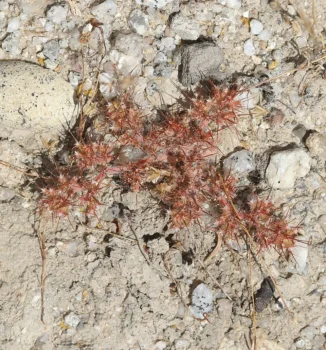
Oneawn Spineflower: A Delicate California Native for Specialty Gardens
If you’re passionate about California native plants and love discovering lesser-known botanical gems, let me introduce you to the oneawn spineflower (Chorizanthe uniaristata). This charming little annual might not win any beauty contests, but it holds a special place in the hearts of native plant enthusiasts and plays an important role in California’s natural ecosystems.
What is Oneawn Spineflower?
Oneawn spineflower is a small annual forb native exclusively to California. As a member of the buckwheat family, this delicate plant produces tiny clusters of white to pinkish flowers that may seem modest at first glance, but offer their own subtle charm. Unlike woody shrubs or trees, this herbaceous plant completes its entire life cycle in one growing season, making it a true annual.
Where Does It Grow?
This California endemic has a limited natural range within the Golden State, where it has adapted to specific local conditions over thousands of years. You’ll find it growing in coastal and inland areas, typically in sandy or gravelly soils that drain well.
- Species observed
- No observations
Important Conservation Note
Before we dive into growing tips, there’s something crucial you need to know: oneawn spineflower has a Global Conservation Status of S3?, which indicates some level of rarity and conservation concern. This means if you’re interested in growing this plant, it’s essential to source seeds or plants only from reputable native plant nurseries that collect responsibly and legally. Never collect seeds from wild populations, as this could further stress already vulnerable plant communities.
Why Grow Oneawn Spineflower?
You might wonder why anyone would want to grow such an unassuming plant. Here are some compelling reasons:
- True California native: Supporting endemic species helps preserve local biodiversity
- Pollinator magnet: Despite its small size, it attracts native bees and other tiny pollinators that are often overlooked
- Low maintenance: Once established, it requires minimal care and water
- Conversation starter: It’s a unique addition that will intrigue fellow native plant enthusiasts
- Ecological value: Helps support the complex web of California’s native ecosystems
What Kind of Garden is Right for Oneawn Spineflower?
This isn’t a plant for every garden, and that’s perfectly okay! Oneawn spineflower thrives in:
- Native California gardens focused on regional flora
- Xerophytic or drought-tolerant landscapes
- Naturalistic wildflower meadows
- Specialty collections for serious native plant enthusiasts
- Educational gardens showcasing California’s botanical diversity
Growing Conditions and Care
The good news is that oneawn spineflower isn’t particularly fussy once you understand its preferences:
Sunlight: Full sun is essential for healthy growth and flowering.
Soil: Well-draining sandy or gravelly soils work best. Heavy clay or constantly moist soils are likely to cause problems.
Water: After the initial establishment period, this drought-adapted native prefers minimal supplemental watering. Overwatering can actually harm the plant.
Climate: Best suited for USDA hardiness zones 8-10, matching California’s Mediterranean and semi-arid climates.
Planting and Care Tips
Growing oneawn spineflower successfully requires mimicking its natural habitat:
- Timing: Direct seed in fall to allow natural winter stratification
- Soil prep: Ensure excellent drainage; consider adding sand or gravel to heavy soils
- Seeding: Scatter seeds lightly and barely cover with soil
- Watering: Water gently until germination, then reduce frequency significantly
- Maintenance: Allow plants to self-seed for future generations
- Patience: Don’t expect showy displays; appreciate its subtle beauty
The Bottom Line
Oneawn spineflower isn’t for everyone, and that’s part of its appeal. If you’re looking for bold colors and dramatic impact, you might want to consider other native options. However, if you’re drawn to rare California natives and want to support conservation efforts while creating habitat for specialized pollinators, this little annual could be a perfect fit for your garden.
Just remember to source your seeds responsibly and appreciate this plant for what it is: a small but significant piece of California’s natural heritage that deserves our protection and respect.