One-Flowered Broomrape: The Mysterious Parasitic Wildflower You Shouldn’t Plant
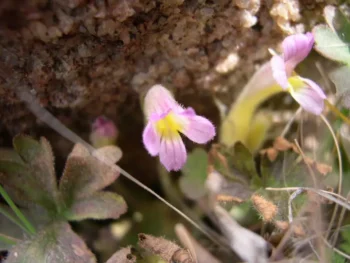
If you’ve ever stumbled across a pale, ghostly little plant sprouting from the ground with no visible leaves, you might have encountered one-flowered broomrape (Orobanche uniflora). This curious native wildflower is unlike most plants in your garden – and there’s a very good reason you won’t want to add it to your landscape plans.
What Makes One-Flowered Broomrape So Different
One-flowered broomrape is what botanists call a parasitic plant. Instead of making its own food through photosynthesis like most plants, it latches onto the roots of other plants and steals their nutrients. This sneaky survival strategy means it doesn’t need the green chlorophyll that gives most plants their color, which explains its pale, almost translucent appearance.
This annual forb produces a single flower (hence the one-flowered name) that can range from white to purple. The entire plant lacks significant woody tissue and typically emerges directly from the ground without visible leaves, creating an almost alien appearance in the wild.
Where You’ll Find This Native Wildflower
One-flowered broomrape is impressively widespread across North America. It’s native to Alaska, Canada (including provinces like Alberta, British Columbia, and Ontario), all lower 48 states, and even St. Pierre and Miquelon. From the forests of Maine to the deserts of Arizona, this adaptable parasite has found ways to thrive in diverse climates across USDA hardiness zones 2 through 9.
- Species observed
- No observations
A Word of Caution: Rarity Status
While one-flowered broomrape is common across most of its range, it has a rarity status of S2 in Alabama, meaning it’s imperiled in that state. If you’re in Alabama and encounter this plant, appreciate it from a distance and avoid disturbing it.
Why You Shouldn’t Plant One-Flowered Broomrape
Here’s the thing about parasitic plants – they’re not exactly garden-friendly. One-flowered broomrape needs host plants to survive, and it’s not picky about its victims. It can parasitize a wide variety of plants, potentially weakening or damaging your prized garden specimens.
Additionally, because of its parasitic nature, you can’t simply plant it and expect it to thrive like other wildflowers. It requires specific host relationships that are difficult to replicate in a managed garden setting.
Growing Conditions in the Wild
In its natural habitat, one-flowered broomrape typically grows in upland areas. Its wetland status varies by region:
- Alaska, Great Plains, Midwest, and Northeast regions: Almost never found in wetlands
- Arid West, Atlantic and Gulf Coastal Plain, Eastern Mountains, and Western regions: Usually found in non-wetlands but may occasionally appear in wetland areas
The plant shows a clear preference for well-drained, upland soils where it can find suitable host plants.
Ecological Role and Wildlife Benefits
While one-flowered broomrape might not be a showstopper for pollinators due to its small, inconspicuous flowers, it does play a role in natural ecosystems. As a native species, it’s part of the complex web of plant relationships that have evolved over thousands of years in North American landscapes.
Native Alternatives for Your Garden
If you’re drawn to unusual native wildflowers, consider these garden-friendly alternatives instead:
- Wild ginger for shady spots with interesting flowers
- Jack-in-the-pulpit for woodland gardens
- Dutchman’s breeches for early spring interest
- Regional native wildflowers that support pollinators without parasitic behavior
The Bottom Line
One-flowered broomrape is a fascinating example of nature’s ingenuity, but it’s best appreciated in its natural habitat rather than your backyard. Its parasitic lifestyle makes it unsuitable for intentional cultivation, and in some areas like Alabama, it needs our protection rather than propagation.
If you encounter this ghostly little plant during your nature walks, take a moment to marvel at its unique survival strategy – just don’t bring it home to your garden!