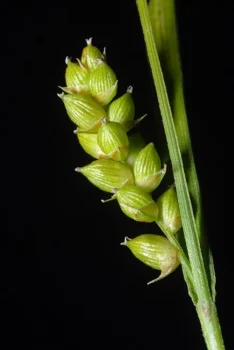
Openfield Sedge: A Resilient Native Grass for Naturalistic Gardens
If you’re looking to add some authentic North American character to your landscape while keeping maintenance to a minimum, openfield sedge (Carex conoidea) might just be the unsung hero your garden needs. This humble yet hardy native sedge brings subtle beauty and ecological benefits to gardens across much of the continent, though it’s becoming increasingly rare in some areas.
What Makes Openfield Sedge Special?
Openfield sedge is a perennial grass-like plant that forms attractive clumps of narrow, arching green leaves. Don’t expect flashy flowers – this sedge produces inconspicuous brownish spikes in late spring to early summer that add textural interest rather than bold color. Sometimes you’ll see it listed under its synonym Carex katahdinensis, but it’s the same dependable plant.
What this sedge lacks in showy blooms, it more than makes up for in reliability and ecological value. It’s the kind of plant that quietly does its job, providing structure and habitat while asking for very little in return.
Where Does Openfield Sedge Call Home?
This truly native North American species has an impressive natural range, stretching from southeastern Canada down to North Carolina and west to the Great Plains. You’ll find it naturally occurring in states from Maine to Minnesota, and from Quebec to New Mexico. It’s also native to several Canadian provinces and even the French islands of St. Pierre and Miquelon.
- Species observed
- No observations
A Word About Rarity
Here’s where things get important for responsible gardeners: openfield sedge is becoming increasingly rare in some areas. In Arkansas, it has a rarity status of S1 (critically imperiled), and in New Jersey, it’s listed as S2 (imperiled) and appears on the Highlands Listed species. If you’re interested in growing this native beauty, please make sure you source your plants or seeds from reputable native plant nurseries that propagate their stock rather than wild-collecting.
Growing Openfield Sedge Successfully
The good news is that openfield sedge is remarkably adaptable and low-maintenance once established. Here’s what you need to know:
Growing Conditions
- Light: Partial shade to full sun
- Soil: Adaptable to various soil types, prefers moist to moderately dry conditions
- Hardiness: USDA zones 3-8
- Water needs: Moderate; drought tolerant once established
Wetland Flexibility
One of the most interesting things about openfield sedge is its wetland status varies by region. In most areas, it’s classified as a facultative wetland plant, meaning it usually grows in wetlands but can adapt to drier conditions. However, in the Eastern Mountains and Piedmont region, it’s actually considered a facultative upland plant. This flexibility makes it an excellent choice for transitional areas in your landscape.
Planting and Care Tips
- Plant in spring or fall for best establishment
- Space plants 12-18 inches apart for groundcover effect
- Water regularly the first growing season to help establish roots
- Once established, this sedge is quite drought tolerant
- Divide clumps every 3-4 years if you want to expand your planting
- Cut back old foliage in late winter or early spring
Perfect Places for Openfield Sedge
This versatile native works beautifully in several garden settings:
- Naturalistic gardens: Provides authentic regional character
- Rain gardens: Handles both wet and dry periods well
- Woodland edges: Thrives in the partial shade transition zone
- Prairie restorations: Adds important graminoid diversity
- Low-maintenance landscapes: Perfect for areas you want to look good without constant attention
Wildlife and Ecological Benefits
While openfield sedge is wind-pollinated rather than a pollinator magnet, it provides important ecological services. The seeds offer food for various bird species and small mammals, and the clumping growth provides shelter for small creatures. As a native species, it’s also part of the complex web of relationships that support local ecosystems.
Should You Plant Openfield Sedge?
If you’re passionate about native plants, appreciate low-maintenance gardening, and want to support local ecosystems, openfield sedge is definitely worth considering. Its adaptability to various moisture levels and light conditions makes it useful in many garden situations.
Just remember to source your plants responsibly, especially given its rarity in some states. Contact native plant societies in your area or reputable native plant nurseries to find ethically propagated stock. By choosing to grow this native sedge, you’re not just adding a beautiful, low-maintenance plant to your garden – you’re also helping preserve an important piece of North America’s natural heritage.
Sometimes the most valuable plants in our gardens are the quiet ones that simply do their job well, year after year. Openfield sedge is definitely one of those reliable garden companions worth getting to know.