Growing ‘Opiko: Hawaii’s Vulnerable Native Shade Shrub
If you’re lucky enough to garden in Hawaii’s tropical paradise, you might want to consider adding ‘opiko (Psychotria mauiensis) to your shade garden. This charming native shrub brings both beauty and conservation value to Hawaiian landscapes, though it comes with some important considerations every responsible gardener should know.
What Makes ‘Opiko Special?
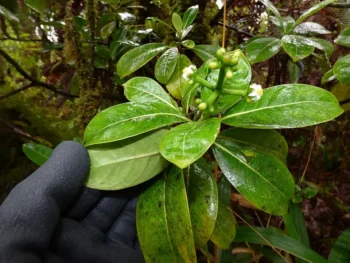
‘Opiko is a perennial shrub that’s as Hawaiian as it gets – this species is endemic to the islands and found nowhere else in the world. Growing typically under 13-16 feet tall with multiple stems arising from the ground, it creates a lovely understory presence with its glossy green leaves and delicate clusters of small white flowers.
But here’s the thing that makes this plant particularly precious: ‘opiko has a vulnerable conservation status. With only an estimated 3,000-10,000 individuals remaining across 21-100 known locations, this little shrub is fighting for survival in Hawaii’s changing landscapes.
Where Does ‘Opiko Call Home?
‘Opiko is native exclusively to Hawaii, where it naturally thrives in the mesic to wet forests of the islands. You won’t find this species anywhere else on the mainland United States – it’s a true island endemic that has evolved specifically for Hawaiian conditions.
- Species observed
- No observations
Should You Plant ‘Opiko in Your Garden?
The short answer: Yes, but only with responsibly sourced plants.
Given its vulnerable status, growing ‘opiko can actually be an act of conservation – but only if you source your plants ethically. Never collect from wild populations! Instead, seek out native plant nurseries or conservation organizations that propagate ‘opiko from cultivated stock.
Here’s why ‘opiko makes a great addition to the right Hawaiian garden:
- Supports native ecosystem restoration
- Attracts native Hawaiian insects and pollinators
- Thrives in shady spots where other plants struggle
- Low-maintenance once established
- Adds authentic Hawaiian character to landscapes
Perfect Garden Spots for ‘Opiko
This isn’t a plant for every garden, but it’s perfect for specific situations:
- Native Hawaiian gardens: Ideal for authentic island landscaping
- Shade gardens: Thrives under tree canopies where sun-lovers fail
- Forest restoration projects: Essential for rebuilding native ecosystems
- Conservation landscapes: Perfect for environmentally-conscious gardeners
Growing Conditions and Care
‘Opiko is naturally a forest understory plant, so it has some specific needs:
- Light: Partial to full shade (direct sun can stress the plant)
- Soil: Moist but well-draining soil with good organic content
- Water: Consistent moisture is key – it’s classified as facultative upland, meaning it usually grows in non-wetland areas but appreciates regular water
- Climate: USDA zones 10-12 only (this is strictly a tropical plant)
- Humidity: Thrives in Hawaii’s naturally humid conditions
Planting and Care Tips
Success with ‘opiko comes down to mimicking its natural forest habitat:
- Plant in areas protected from strong winds and direct afternoon sun
- Improve soil with compost or leaf mold to retain moisture
- Mulch around the base to keep roots cool and moist
- Water consistently during dry periods
- Avoid fertilizers – native plants typically don’t need them and may actually be harmed by too many nutrients
A Plant Worth Protecting
‘Opiko represents something special in the gardening world – a chance to grow a piece of Hawaii’s irreplaceable natural heritage while contributing to its conservation. By choosing to grow this vulnerable native species (responsibly sourced, of course), you’re not just adding beauty to your landscape; you’re helping ensure that future generations will be able to enjoy ‘opiko in Hawaiian forests.
Remember, this plant is only suitable for tropical Hawaiian conditions, so mainland gardeners will need to admire it from afar. But if you’re gardening in paradise and have a shady spot that needs something special, ‘opiko might just be the perfect choice – as long as you source it responsibly and give it the forest-like conditions it craves.