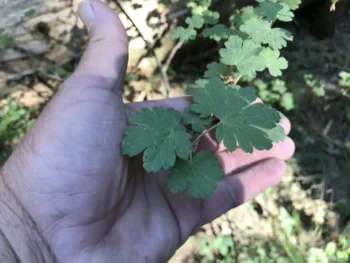
Orange Gooseberry: A Hidden Gem for Southwestern Native Gardens
If you’re looking to add some authentic southwestern flair to your native garden, the orange gooseberry (Ribes pinetorum) might just be the perfect shrub you’ve never heard of. This charming little native deserves a spot in more gardens, though finding it might take a bit of detective work.
Meet the Orange Gooseberry
The orange gooseberry is a perennial shrub that calls the mountains of Arizona and New Mexico home. Like its gooseberry cousins, this multi-stemmed woody plant typically stays a manageable size, usually growing less than 13 to 16 feet tall, though most specimens you’ll encounter are much smaller and more compact.
Where You’ll Find It in the Wild
This native beauty has a pretty specific address – it’s only found naturally in Arizona and New Mexico, where it thrives in the cooler, mountainous regions among pine forests. It’s perfectly adapted to the unique conditions of the American Southwest’s higher elevations.
- Species observed
- No observations
Why Consider Orange Gooseberry for Your Garden?
There are several compelling reasons to give this native shrub a try:
- Authentic native appeal: If you’re creating a true southwestern native landscape, this shrub adds genuine local character
- Wildlife magnet: The small flowers attract native bees and other pollinators, while the berries provide food for birds and other wildlife
- Low-maintenance nature: Once established, it’s adapted to local conditions and requires minimal fuss
- Edible bonus: Like other gooseberries, the fruits are edible (though they’re quite small)
A Word of Caution: Rarity Matters
Before you rush out to find one, there’s something important to know. Orange gooseberry has a Global Conservation Status of S3S4, which indicates some concern about its population stability. This doesn’t mean you shouldn’t grow it – quite the opposite! – but it does mean you should be extra careful about sourcing.
If you decide to add this plant to your garden, make absolutely sure you’re getting it from a reputable nursery that propagates their plants responsibly rather than collecting from wild populations. Never collect seeds or cuttings from wild plants yourself.
Growing Orange Gooseberry Successfully
This mountain native has some specific preferences that you’ll want to keep in mind:
Growing Conditions
- Hardiness: Suitable for USDA zones 5-8
- Light: Partial shade to full sun, though it appreciates some afternoon shade in hot climates
- Soil: Well-draining soil is absolutely crucial – soggy roots spell trouble
- Water: Moderate water needs, drought-tolerant once established
Planting and Care Tips
- Plant in fall or early spring when temperatures are cooler
- Improve drainage if your soil tends to stay wet
- Mulch around the base to help retain moisture and regulate soil temperature
- Avoid overwatering – this plant prefers life on the drier side once established
- Minimal pruning needed, just remove dead or damaged branches as needed
Is Orange Gooseberry Right for Your Garden?
This native shrub works beautifully in:
- Native plant gardens focused on southwestern species
- Wildlife habitat gardens
- Xeriscape or water-wise landscapes
- Mountain or high-elevation gardens
- Edible landscaping projects (though don’t expect a huge harvest!)
Orange gooseberry might not be the showiest plant in your garden, but it brings authentic native character and ecological value that’s hard to beat. If you can source it responsibly and have the right growing conditions, this little-known native deserves consideration for your southwestern landscape. Just remember – always buy from reputable sources to help protect wild populations of this somewhat rare gem.