Orcutt’s Bristleweed: A Rare California Native Worth Protecting in Your Garden
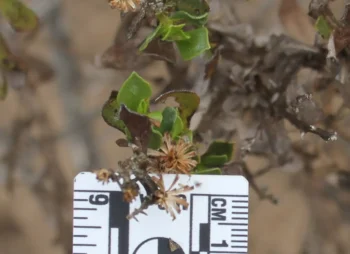
Meet Orcutt’s bristleweed (Hazardia orcuttii), a charming yet critically endangered shrub that represents one of California’s most precious botanical treasures. This unassuming native plant might not win any flashy flower contests, but it packs a powerful punch when it comes to supporting local ecosystems and adding authentic California character to your landscape.
What Makes Orcutt’s Bristleweed Special?
This perennial shrub is a true California original, found exclusively in San Diego County. As a multi-stemmed woody plant, Orcutt’s bristleweed typically grows to a manageable 4-5 feet in height, making it perfect for residential landscapes. Its silvery-green foliage provides year-round interest, while clusters of small yellow daisy-like flowers brighten up the garden during blooming season.
Where Does It Come From?
Orcutt’s bristleweed is native to the lower 48 states, specifically calling California home. You’ll find this rare beauty growing naturally in the chaparral and coastal sage scrub communities of San Diego County, where it has adapted to the region’s Mediterranean climate over thousands of years.
- Species observed
- No observations
A Word of Caution: This Plant Needs Our Help
Important conservation note: Orcutt’s bristleweed has a Global Conservation Status of S1, meaning it’s critically imperiled with typically 5 or fewer occurrences and very few remaining individuals (less than 1,000). If you’re interested in growing this remarkable plant, please ensure you source it responsibly from reputable native plant nurseries that propagate rather than wild-harvest their stock.
Why Grow Orcutt’s Bristleweed?
Despite its rarity—or perhaps because of it—there are compelling reasons to include this native in your garden:
- Conservation hero: Every plant grown helps preserve genetic diversity of this endangered species
- Water-wise wonder: Once established, it thrives with minimal irrigation
- Pollinator magnet: Native bees, butterflies, and other beneficial insects love its flowers
- Authentic landscape: Perfect for creating genuine Southern California native plant gardens
- Low maintenance: Requires minimal care once established
Perfect Garden Roles
Orcutt’s bristleweed shines in several landscape applications:
- Mediterranean and xeriscape gardens
- Native California plant collections
- Wildlife and pollinator gardens
- Slope stabilization and erosion control
- Mixed shrub borders with other chaparral natives
Growing Conditions and Care
This drought-adapted shrub prefers conditions that mimic its natural habitat:
- Sunlight: Full sun exposure
- Soil: Well-draining soil (clay, sandy, or rocky soils all work)
- Water: Drought-tolerant once established; minimal summer water needed
- Climate zones: USDA hardiness zones 9-11 (ideal for Southern California)
Planting and Care Tips
Success with Orcutt’s bristleweed comes from understanding its natural preferences:
- Best planting time: Fall, allowing roots to establish before summer heat
- Spacing: Allow 3-4 feet between plants for mature spread
- Watering: Water regularly the first year, then reduce to occasional deep watering
- Pruning: Light pruning after flowering to maintain shape
- Fertilizing: Generally unnecessary; native soils provide adequate nutrition
Supporting Pollinators and Wildlife
While specific wildlife data is limited for this rare species, like other Hazardia species, Orcutt’s bristleweed likely provides valuable nectar for native bees and butterflies. Its seeds may also support small birds and other wildlife, making it a worthy addition to any wildlife-friendly garden.
The Bottom Line
Orcutt’s bristleweed offers gardeners a unique opportunity to participate in conservation while creating beautiful, water-wise landscapes. Though rare, this resilient shrub can thrive in the right conditions with minimal care. By choosing responsibly sourced plants, you’re not just adding a lovely native to your garden—you’re helping ensure this precious species survives for future generations. In a world where many plants are becoming increasingly common and widespread, there’s something special about nurturing one of California’s rarest botanical gems right in your own backyard.