Organ Mountain Foxtail Cactus: A Rare Desert Gem Worth Protecting
Meet the Organ Mountain foxtail cactus (Escobaria organensis), a petite desert jewel that’s as rare as it is beautiful. This little cactus might not win any height contests, but what it lacks in stature, it more than makes up for in charm and conservation significance.
A True New Mexico Native
The Organ Mountain foxtail cactus is a perennial species native to the United States, specifically calling New Mexico home. This isn’t just any New Mexico native—it’s endemic to the Organ Mountains, making it one of the state’s most geographically restricted plant species. Talk about being a true local!
- Species observed
- No observations
What Makes This Cactus Special?
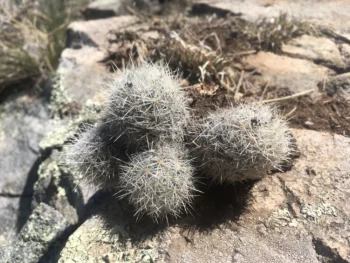
This small, cylindrical cactus forms tight clusters of stems covered in dense white spines that give it a distinctly fuzzy appearance—hence the foxtail in its common name. In spring, it rewards patient gardeners with stunning pink to magenta flowers that seem almost too large for such a compact plant. The blooms attract bees and other small pollinators, making this rare cactus a valuable addition to desert ecosystems.
Previously known by the synonym Coryphantha organensis, this species represents the unique flora that evolved in New Mexico’s desert mountain ranges.
A Word of Caution: Rarity Matters
Here’s where things get serious. The Organ Mountain foxtail cactus has a Global Conservation Status of S2, meaning it’s imperiled due to extreme rarity. With typically only 6 to 20 known occurrences and between 1,000 to 3,000 remaining individuals, this species is vulnerable to extinction.
If you’re interested in growing this remarkable cactus, please only source it from reputable nurseries that propagate plants responsibly—never collect from wild populations.
Should You Grow Organ Mountain Foxtail Cactus?
This cactus is perfect for gardeners who:
- Appreciate rare and unusual desert plants
- Want to support conservation through cultivation
- Have experience with specialized cactus care
- Live in USDA hardiness zones 8-10
- Can provide excellent drainage and full sun conditions
However, this isn’t the best choice for beginners or those looking for low-maintenance options, as its rarity means replacement plants are difficult to obtain if things go wrong.
Creating the Perfect Home
Success with Organ Mountain foxtail cactus depends on mimicking its native desert mountain habitat:
Light and Location: Full sun is non-negotiable. This cactus needs intense, direct sunlight to thrive and maintain its compact form.
Soil Requirements: Excellent drainage is critical. Use a specialized cactus mix or create your own with sand, perlite, and rocky materials. Think desert mountainside, not garden soil.
Watering Wisdom: Less is definitely more. Water deeply but infrequently during the growing season (spring through fall), then reduce to minimal winter watering. Always allow soil to dry completely between waterings.
Temperature Tolerance: Hardy in zones 8-10, but protect from prolonged freezing temperatures and wet winter conditions.
Garden Design Ideas
The Organ Mountain foxtail cactus shines in:
- Rock gardens with other desert natives
- Specialized cactus and succulent collections
- Container gardens (with excellent drainage)
- Xeriscaped landscapes
- Desert-themed garden spaces
Its small size makes it perfect as a specimen plant where its unique form and rare flowers can be appreciated up close.
Conservation Through Cultivation
By growing this rare cactus responsibly, you’re participating in an important conservation effort. Home cultivation helps preserve genetic diversity and reduces pressure on wild populations. Just remember: always source plants ethically and never collect from the wild.
The Organ Mountain foxtail cactus may be small and rare, but it represents something much larger—the incredible diversity of our native flora and our responsibility to protect it. For the right gardener with the right conditions and conservation mindset, this little cactus offers the chance to grow something truly extraordinary.