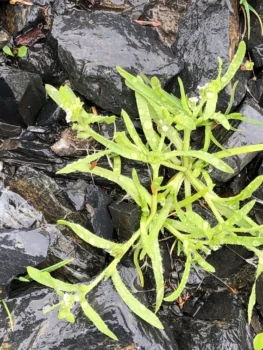
Oriental Popcornflower: A Charming Alaska Native for Wet Gardens
If you’re looking to add a touch of Alaska’s wild beauty to your garden, Oriental popcornflower (Plagiobothrys orientalis) might just be the delightful native you’ve been searching for. This charming little perennial brings understated elegance to moist garden spaces while supporting local ecosystems.
What is Oriental Popcornflower?
Oriental popcornflower is a herbaceous perennial forb native to Alaska. As a member of the borage family, it produces clusters of small, delicate white flowers that add a gentle, naturalistic charm to any planting. Unlike woody shrubs or trees, this plant lacks significant woody tissue and instead grows as a soft-stemmed perennial that returns year after year.
Currently, Oriental popcornflower is found exclusively in Alaska, making it a truly special addition for gardeners interested in authentic regional natives. Its geographic distribution is limited to Alaska’s unique growing conditions.
- Species observed
- No observations
Why Consider Growing Oriental Popcornflower?
There are several compelling reasons to include this Alaska native in your garden:
- True native plant: Supporting authentic regional flora helps preserve local plant communities
- Wetland specialist: Perfect for rain gardens, pond edges, and other moist areas where many plants struggle
- Low maintenance: Once established in suitable conditions, requires minimal care
- Pollinator support: Small white flowers provide nectar for native pollinators, particularly smaller native bees
- Naturalistic beauty: Adds subtle, wildflower charm to informal plantings
Important Conservation Considerations
Before you rush to add Oriental popcornflower to your shopping list, there’s an important conservation aspect to consider. This species has a Global Conservation Status of S3S4, indicating some level of rarity or concern about its population stability. If you’re interested in growing this plant, it’s crucial to source it only from reputable native plant nurseries that propagate from ethically collected seeds or divisions—never collect from wild populations.
Ideal Growing Conditions
Oriental popcornflower has specific growing requirements that reflect its natural Alaska habitat:
- Moisture: As a facultative wetland plant, it thrives in consistently moist to wet soils
- Cold hardiness: Extremely cold-tolerant, likely hardy in USDA zones 2-6
- Soil type: Adapts to various soil types as long as moisture needs are met
- Sun exposure: Likely tolerates full sun to partial shade in moist conditions
Perfect Garden Applications
Oriental popcornflower shines in specific garden situations:
- Rain gardens: Excellent choice for areas that collect seasonal water
- Native plant gardens: Essential for authentic Alaska native plantings
- Pond or stream edges: Natural choice for water feature margins
- Wetland restorations: Valuable for ecological restoration projects
- Naturalized areas: Creates authentic wildflower meadow effects in moist zones
Planting and Care Tips
Success with Oriental popcornflower depends on meeting its basic needs:
- Site selection: Choose locations that stay consistently moist throughout the growing season
- Soil preparation: Ensure good drainage despite moisture requirements—avoid standing water
- Planting time: Spring planting allows establishment before winter in cold climates
- Watering: Maintain consistent moisture, especially during establishment
- Fertilizing: Generally unnecessary; native plants prefer lean soils
- Winter care: Extremely cold-hardy; no special winter protection needed
Wildlife and Ecosystem Benefits
Like many native plants, Oriental popcornflower likely provides important ecosystem services. Its small flowers attract native pollinators, and as part of Alaska’s natural plant communities, it supports the complex web of wildlife that depends on native flora for food and habitat.
Is Oriental Popcornflower Right for Your Garden?
Oriental popcornflower is an excellent choice if you have consistently moist growing conditions and want to support Alaska’s native plant heritage. However, its specific moisture requirements and limited availability make it best suited for dedicated native plant enthusiasts or those working on wetland restoration projects.
If you don’t have the right conditions for Oriental popcornflower, consider other native wetland plants from your region that can provide similar ecological benefits while being better suited to your local climate and conditions.
Remember, when growing any rare native plant, always source responsibly and never collect from wild populations. Your garden can be a sanctuary for native plants while helping preserve these special species for future generations.