Oriental Trema: A Fast-Growing Tree That’s Not What It Seems
If you’ve stumbled across the Oriental trema (Trema orientalis) in your research for fast-growing trees, you might be intrigued by its quick establishment and low-maintenance reputation. Also known as the gunpowder tree, this perennial woody species has made itself quite at home in places far from its native range. But before you add it to your shopping list, let’s dig into what makes this tree tick and whether it deserves a spot in your landscape.
What Exactly Is Oriental Trema?
Oriental trema is a fast-growing tree that typically reaches heights greater than 13-16 feet, though under certain conditions it may stay shorter and develop multiple stems. As a pioneer species, it’s one of those plants that jumps at the chance to colonize disturbed areas, growing quickly to establish itself before other plants can catch up.
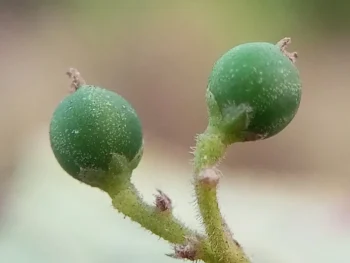
The tree produces small, inconspicuous flowers and small drupes, but don’t expect it to be a showstopper in the ornamental department. Its appeal lies more in its function than its beauty – think of it as the reliable workhorse rather than the garden’s crown jewel.
Where You’ll Find Oriental Trema
Here’s where things get interesting: while Oriental trema is native to tropical and subtropical regions of Asia, Australia, and other Pacific Basin areas, it’s established itself as a non-native species in Florida, Hawaii, Guam, and Palau. In both Hawaii and the continental United States, it reproduces on its own in the wild and tends to stick around without any help from humans.
- Species observed
- No observations
The Good, The Bad, and The Weedy
Oriental trema falls into that tricky category of plants that aren’t necessarily bad but aren’t exactly native darlings either. Since it’s established in areas outside its native range and can self-seed readily, it has the potential to be weedy. However, its invasive status isn’t clearly documented, which puts it in a gray area for gardeners.
The tree does offer some benefits:
- Extremely fast growth for quick results
- Tolerates various soil conditions
- Good for erosion control
- Can serve as a nurse tree for other species
- Attracts small insects with its flowers
Growing Conditions and Care
If you’re in USDA zones 9b through 11, Oriental trema can handle your climate. It’s remarkably unfussy about growing conditions, thriving in full sun to partial shade and adapting to various soil types. Once established, it’s quite drought tolerant – perhaps a little too adaptable for its own good.
The tree typically has a Facultative Upland wetland status, meaning it usually prefers non-wetland areas but can tolerate some moisture. This flexibility is part of what makes it so successful at establishing itself in new areas.
Care requirements are minimal – sometimes too minimal. This tree can essentially take care of itself, which sounds great until you realize it might take care of spreading itself around your property and beyond.
Should You Plant Oriental Trema?
This is where we get real about gardening responsibilities. While Oriental trema isn’t officially listed as invasive in most areas, its non-native status and tendency to self-seed give us pause. If you’re looking for a fast-growing tree for quick shade or erosion control, consider exploring native alternatives first.
For Florida gardeners, native options might include Southern live oak or bald cypress. In Hawaii, native species like koa or ohia lehua could provide similar benefits while supporting local ecosystems.
If you do choose to plant Oriental trema, be mindful of its seeding habits and consider removing seedlings that pop up in unwanted areas. Remember, every plant choice we make is a vote for the kind of landscape we want to see in the future.
The Bottom Line
Oriental trema is like that friend who’s helpful in a pinch but might overstay their welcome – useful for quick solutions but requiring some management to keep them in check. While it’s not the villain of the plant world, it’s also not the hero your local ecosystem is looking for. When possible, give native species the starring roles in your landscape, and save the non-natives for supporting parts only when truly necessary.