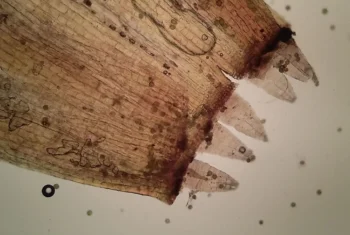
Orthotrichum Moss: A Tiny Native Treasure for Your Garden
Meet Orthotrichum tenellum, commonly known as orthotrichum moss – a delightfully small native moss that might just be the perfect addition to your naturalistic garden. While you might not have heard of this particular species, this tiny green gem has been quietly doing its job in North American ecosystems for ages.
What Exactly Is Orthotrichum Moss?
Orthotrichum moss is what botanists call a bryophyte – essentially a non-flowering plant that reproduces through spores rather than seeds. Don’t let its diminutive size fool you; this little moss packs a lot of character into its compact form. It’s herbaceous and has a charming habit of attaching itself to solid surfaces like rocks, tree bark, or even dead wood rather than growing directly in soil.
You might also encounter this moss under its scientific synonyms, including Orthotrichum cylindricarpum or Orthotrichum tenellum var. coulteri, but they’re all referring to the same delightful little plant.
Where Does It Call Home?
This native moss species originated in North America and has made itself quite comfortable across various regions of the continent. Its natural range spans much of western North America, where it thrives in the humid conditions of forests and rocky outcrops.
Is It Beneficial for Your Garden?
Absolutely! While orthotrichum moss might not provide the flashy blooms of your favorite perennials, it offers several subtle but valuable benefits:
- Acts as a natural ground cover in shaded, rocky areas where other plants struggle
- Helps prevent soil erosion on slopes and around rock features
- Creates a naturalistic, woodland atmosphere in garden settings
- Requires virtually no maintenance once established
- Provides habitat for tiny beneficial insects and microorganisms
A Note About Conservation
Here’s something important to keep in mind: orthotrichum moss has a conservation status of S3S4, which means it’s considered somewhat uncommon to apparently secure. While it’s not critically endangered, this status suggests we should appreciate and protect existing populations rather than disturbing them for garden use.
How to Identify Orthotrichum Moss
Spotting this moss in the wild (or potentially in your garden) is easier once you know what to look for:
- Forms small, dense cushions or mats
- Typically grows on rock surfaces, tree bark, or dead wood
- Has tiny, overlapping leaves arranged in spirals around the stem
- Usually appears bright to dark green when moist
- May look brownish or grayish when dry
- Produces small, cylindrical spore capsules on thin stalks when reproducing
Creating Moss-Friendly Conditions
While we don’t recommend harvesting wild orthotrichum moss due to its conservation status, you can certainly create conditions in your garden that might naturally attract this and other native mosses:
- Maintain areas with consistent moisture and good air circulation
- Include natural stone features like rock walls or boulder arrangements
- Preserve areas of partial to full shade
- Avoid using chemical fertilizers or pesticides in potential moss areas
- Consider leaving some dead wood or fallen logs as potential moss habitat
The Bottom Line
Orthotrichum moss represents the quiet beauty of native plants working behind the scenes. While you might not plant it directly, creating a garden environment that welcomes native mosses like this one adds authenticity and ecological value to your landscape. Think of it as inviting nature to do some of the decorating for you – and who knows? You might just discover that these tiny green residents have been there all along, waiting for you to notice their subtle charm.
Remember, the best way to support species like orthotrichum moss is to preserve their natural habitats and create garden conditions that support native biodiversity. Sometimes the most beautiful gardens are the ones that look like nature designed them herself.