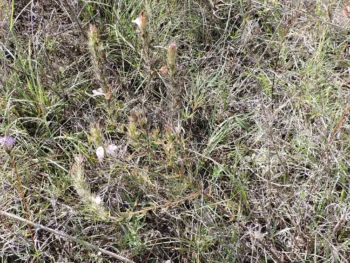
Osage False Foxglove: A Rare Prairie Gem Worth Protecting
If you’re looking to add a touch of wild prairie magic to your garden, the Osage false foxglove (Agalinis densiflora) might just be the delicate beauty you’ve been searching for. But before you start planning where to plant it, there’s something important you should know about this charming little wildflower.
What Makes Osage False Foxglove Special?
The Osage false foxglove is a native annual forb that brings a splash of pink to purple color to late summer and fall landscapes. Despite its common name, it’s not actually related to true foxgloves – it just happens to have similarly shaped tubular flowers that pollinators absolutely adore.
This delicate wildflower is part of a fascinating group of plants that have evolved some pretty clever survival strategies. While it can photosynthesize like other plants, it may also be what botanists call hemiparasitic, meaning it can tap into the root systems of nearby grasses for extra nutrients. Pretty sneaky, right?
Where Does It Call Home?
Osage false foxglove is a true native of the south-central United States, naturally occurring in Kansas, Oklahoma, and Texas. This plant has evolved specifically to thrive in the challenging conditions of the Great Plains, making it a perfect choice for gardeners in these regions who want to work with nature rather than against it.
- Species observed
- No observations
A Word of Caution: Rarity Matters
Here’s where things get serious for a moment. Agalinis densiflora carries a Global Conservation Status of S3, which means it’s considered vulnerable throughout its range. With typically only 21 to 100 occurrences and between 3,000 to 10,000 individuals remaining, this isn’t just any garden plant – it’s a species that needs our help.
If you’re determined to grow this beauty (and we understand why you would be!), please ensure you source seeds or plants only from reputable native plant nurseries that practice ethical collection methods. Never collect from wild populations – every plant counts when numbers are this low.
Why Grow Osage False Foxglove?
Despite its rarity concerns, there are compelling reasons to include this plant in appropriate gardens:
- Supports native pollinators, especially small native bees
- Adds authentic prairie character to wildflower gardens
- Requires minimal care once established
- Drought tolerant, perfect for water-wise landscaping
- Helps preserve genetic diversity of a vulnerable species
Growing Conditions and Care
Osage false foxglove thrives in USDA hardiness zones 6-9, which perfectly matches its native range. This sun-loving annual prefers full sun exposure and well-drained soils – think prairie conditions rather than pampered garden bed.
The good news? Once you understand its preferences, this plant is refreshingly low-maintenance. It’s naturally drought tolerant and doesn’t need rich, fertile soil. In fact, it might actually prefer the lean soils that many other garden plants struggle with.
Planting and Propagation Tips
Since Osage false foxglove is an annual, you’ll be working with seeds rather than transplants. Here’s how to give them the best start:
- Direct seed in fall or very early spring
- Scatter seeds on prepared soil surface – they need light to germinate
- Keep soil consistently moist during germination period
- Be patient – native wildflower seeds can be slower to germinate than hybrid garden varieties
- Allow some plants to self-seed for next year’s display
Perfect Garden Companions
Osage false foxglove shines brightest when planted as part of a native prairie or wildflower garden. It pairs beautifully with native grasses like little bluestem and buffalo grass, and plays well with other prairie wildflowers such as purple coneflower and black-eyed Susan.
Consider it for naturalized areas, prairie restorations, or the wild edges of your property where its delicate beauty can be appreciated without competing with showier garden stars.
The Bottom Line
Growing Osage false foxglove is more than just adding another pretty flower to your garden – it’s participating in conservation. By choosing to grow this vulnerable species responsibly, you’re helping ensure that future generations will be able to enjoy its delicate pink blooms and the native pollinators that depend on it.
Just remember: with great beauty comes great responsibility. Source ethically, plant thoughtfully, and enjoy being part of this special plant’s survival story.