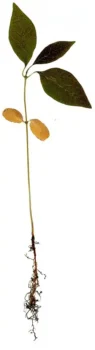
Osage-Orange: The Quirky Native Tree That Divides Gardeners
Meet the Osage-orange (Maclura pomifera), a tree that’s guaranteed to spark conversation in any garden. With its bizarre softball-sized green fruits, thorny branches, and fascinating history, this native American tree is either loved or loathed by gardeners—there’s rarely any middle ground.
What Exactly Is an Osage-Orange?
Despite its common name, the Osage-orange isn’t related to citrus fruits at all. This deciduous tree gets its name from the Osage Nation, who prized its incredibly strong wood for making bows, and from its large, bumpy, orange-like fruits that appear in fall. You might also hear it called hedge apple, though it has several botanical synonyms including Toxylon pomiferum.
As a perennial tree, Osage-orange typically grows as a multi-stemmed shrub when young but can develop into a substantial single-stemmed tree reaching up to 35 feet tall and 20 feet wide at maturity. It grows at a moderate pace and can live for many decades.
Where Does It Come From?
Osage-orange is native to the south-central United States, but its story gets complicated from there. While it’s indigenous to states like Texas, Oklahoma, Arkansas, and parts of surrounding areas, it has spread far beyond its original range. Today, you can find it growing in states from coast to coast, including Alabama, California, Connecticut, Florida, Illinois, New York, Oregon, and many others.
- Species observed
- No observations
The Good, The Bad, and The Thorny
Before you fall in love with this unique tree, there are some important considerations:
The Challenges
- Invasive tendencies: In Missouri, Osage-orange is classified as a nuisance species, and it can spread aggressively in some areas
- Thorny nature: Young branches are armed with sharp thorns, making pruning and maintenance challenging
- Messy fruits: Female trees produce large, heavy fruits that can create quite a cleanup job in fall
- Limited wildlife value: While some small mammals and birds use it occasionally, it provides only 2-5% of their diet and sparse cover
The Benefits
- Historical significance: Perfect for heritage gardens or historical landscapes
- Extremely durable: Once established, it’s incredibly tough and long-lived
- Interesting specimens: The unusual fruits and bright yellow fall color make it a conversation starter
- Windbreak potential: Historically used for living fences and windbreaks
Growing Conditions and Care
If you decide to grow Osage-orange, it’s refreshingly low-maintenance once established. This tough tree adapts to USDA hardiness zones 4-9 and tolerates a wide range of conditions:
Soil and Site Requirements
- Prefers well-draining, coarse to medium-textured soils
- Tolerates pH from 4.5 to 7.5
- Needs full sun—it won’t tolerate shade
- Requires at least 180 frost-free days
- Prefers upland sites rather than wetlands
Water and Maintenance
- Medium drought tolerance once established
- Needs 24-40 inches of annual precipitation
- Develops deep roots (minimum 32 inches)
- Can resprout if cut back
- Moderate tolerance for hedge trimming
Planting and Propagation
Osage-orange is routinely available from nurseries and can be propagated several ways:
- Seeds: Require cold stratification and germinate slowly with medium vigor
- Bare root or container plants: Both options work well
- Cuttings: Can be propagated from cuttings
Remember that you’ll need both male and female trees if you want those distinctive fruits—though many gardeners prefer to plant only male trees to avoid the mess!
Should You Plant It?
Osage-orange is best suited for large, rural properties where it has room to spread and where its potentially invasive nature won’t cause problems for neighboring natural areas. It’s ideal for:
- Historical or heritage garden designs
- Large-scale windbreak plantings
- Wildlife habitat projects (though native alternatives often provide better wildlife value)
- Specimen plantings where its unique character can be appreciated
However, given its invasive potential in some areas, consider native alternatives like American plum (Prunus americana), eastern red cedar (Juniperus virginiana), or other regional natives that provide better ecological benefits without the risk of spreading aggressively.
If you do choose to plant Osage-orange, be a responsible gardener: plant it only where appropriate, monitor for unwanted spread, and always source your plants from reputable nurseries. This fascinating tree can be a wonderful addition to the right landscape—just make sure that landscape is yours!