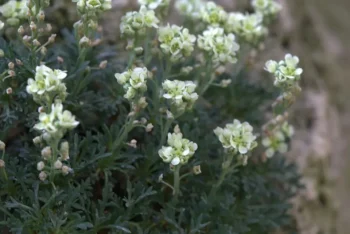
Ostler’s Pepperweed: A Rare Utah Endemic Worth Protecting
If you’re drawn to rare and unique native plants, you might have stumbled upon Ostler’s pepperweed (Lepidium ostleri) in your research. But before you start planning where to plant this intriguing species, there’s something crucial you need to know about this botanical treasure.
A Plant on the Edge
Ostler’s pepperweed holds the sobering distinction of having a Global Conservation Status of S1, which translates to Critically Imperiled. This means we’re talking about a plant with typically five or fewer known occurrences and very few remaining individuals—fewer than 1,000 in the wild. In the plant conservation world, this is about as rare as it gets.
Where to Find This Elusive Native
This perennial forb is a true Utah endemic, meaning it calls only the Beehive State home within the lower 48 states. You won’t find wild populations of Ostler’s pepperweed growing anywhere else in North America, making it a genuine botanical treasure of the American West.
- Species observed
- No observations
What Makes It Special
As a member of the mustard family, Ostler’s pepperweed is classified as a forb—essentially an herbaceous flowering plant without woody stems. Like other perennials, it returns year after year, but unlike shrubs or trees, it lacks significant woody tissue and keeps its growing buds at or below ground level during harsh conditions.
Should You Grow Ostler’s Pepperweed?
Here’s where things get complicated. While the idea of growing such a rare native plant might seem appealing, the reality is more nuanced:
- Conservation concerns: With so few plants remaining in the wild, any collection could impact wild populations
- Limited availability: You’re unlikely to find this plant at your local nursery or even specialty native plant sales
- Unknown requirements: Growing conditions, care needs, and propagation methods aren’t well documented
- Ethical sourcing: If you do encounter seeds or plants, ensuring they’re responsibly sourced is critical
A Better Approach
Instead of trying to grow Ostler’s pepperweed, consider these alternatives:
- Support conservation organizations working to protect Utah’s rare plants
- Choose other native Utah mustard family plants that aren’t imperiled
- Visit natural areas where rare plants are protected to appreciate them in their native habitat
- Participate in citizen science projects that help monitor rare plant populations
The Bottom Line
Ostler’s pepperweed represents something precious and irreplaceable—a plant found nowhere else on Earth that’s hanging on by a thread. While our gardening hearts might want to cultivate and protect it in our own spaces, sometimes the most loving thing we can do for a rare plant is to leave it alone and support professional conservation efforts instead.
If you’re passionate about growing rare Utah natives, work with reputable native plant societies and conservation organizations to find appropriate species that can benefit from home cultivation without risking wild populations. There are plenty of other Utah natives that would love a spot in your garden and don’t carry the weight of potential extinction on their delicate shoulders.