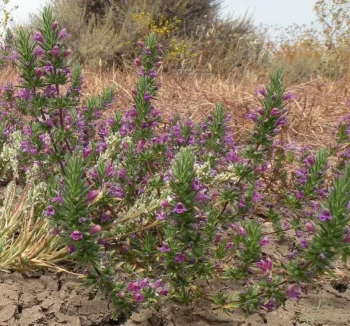
Otay Mesa Mint: A Critically Endangered California Treasure
Meet one of California’s rarest botanical gems: Otay Mesa Mint (Pogogyne nudiuscula), a tiny annual herb that’s fighting for survival in the rapidly developing landscape of San Diego County. This unassuming little plant might not win any beauty contests, but its story is one of resilience, rarity, and the urgent need for conservation.
What Makes Otay Mesa Mint Special?
Otay Mesa Mint is an annual forb – essentially a non-woody plant that completes its entire life cycle in one growing season. Don’t let its humble appearance fool you; this delicate herb produces clusters of tiny white to pale lavender flowers that emit a delightful minty fragrance when the leaves are crushed. It’s like nature’s own aromatherapy, tucked away in one of California’s most threatened ecosystems.
A Plant on the Edge: Conservation Status
Important Conservation Alert: Otay Mesa Mint is listed as Endangered and has a Global Conservation Status of S1 (Critically Imperiled). This means there are typically only 5 or fewer known occurrences with very few remaining individuals – fewer than 1,000 plants in the wild. This isn’t just rare; it’s hanging on by a thread.
Where in the World?
This California native has one of the most restricted ranges you’ll ever encounter. Otay Mesa Mint is found only in San Diego County, specifically in the Otay Mesa region near the US-Mexico border. We’re talking about a geographic range so small you could probably walk across it in an afternoon.
- Species observed
- No observations
The Wetland Connection
Here’s where things get really interesting (and challenging): Otay Mesa Mint is classified as an Obligate Wetland plant in the Arid West region. This means it almost always occurs in wetlands – specifically, the seasonal pools and clay flats that fill with water in winter and spring, then dry out completely in summer. It’s like nature’s own disappearing act!
Should You Grow Otay Mesa Mint?
Here’s the honest truth: unless you’re involved in a professional conservation effort, you probably shouldn’t attempt to grow this plant. Here’s why:
- Extreme rarity: With so few plants left in the wild, any cultivation should use only responsibly sourced material from legitimate conservation programs
- Specialized habitat needs: This plant requires very specific vernal pool conditions that are nearly impossible to replicate in home gardens
- Seasonal water requirements: It needs wet conditions in winter/spring and bone-dry conditions in summer – a tricky balance for most gardeners
- Clay soil dependency: Otay Mesa Mint thrives in heavy clay soils that form temporary pools, not your typical garden soil
Growing Conditions (For the Brave and Equipped)
If you’re a conservation professional or work with an organization focused on preserving this species, here’s what Otay Mesa Mint needs:
- USDA Hardiness Zones: 9-10 (San Diego’s Mediterranean climate)
- Soil: Heavy clay that holds water temporarily
- Water: Seasonal flooding in winter/spring, complete drying in summer
- Light: Full sun exposure
- Timing: Seeds germinate with winter rains, plants flower in spring, then die back in summer heat
Pollinator and Wildlife Value
During its brief moment in the spotlight, Otay Mesa Mint provides nectar for small native bees and other tiny pollinators. While we don’t have extensive data on all its wildlife benefits, every native plant plays a role in supporting local ecosystems – and this one supports some very specialized relationships that have evolved over thousands of years.
Better Alternatives for Your Garden
Instead of attempting to grow this endangered species, consider these California native alternatives that offer similar benefits without the conservation concerns:
- Yerba Buena (Clinopodium douglasii): Another aromatic mint-family native that’s much easier to grow
- White Sage (Salvia apiana): A drought-tolerant native with fragrant foliage
- Cleveland Sage (Salvia clevelandii): Purple-flowered native that thrives in San Diego gardens
Supporting Conservation
The best way to help Otay Mesa Mint isn’t to grow it in your backyard – it’s to support organizations working to preserve its natural habitat. Consider donating to local conservation groups, participating in habitat restoration projects, or simply spreading awareness about California’s endangered plants.
Sometimes the most beautiful thing we can do for a rare plant is to admire it from afar and work to protect the special places where it naturally belongs. Otay Mesa Mint reminds us that not every native plant is meant for our gardens – but every native plant deserves our respect and protection.