Otay Tarweed: A Rare California Native Worth Protecting
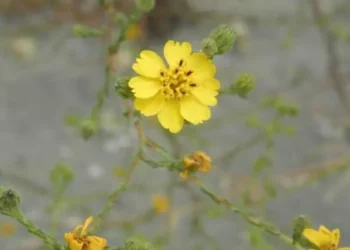
Meet Otay tarweed (Deinandra conjugens), one of California’s most endangered wildflowers that most gardeners will never encounter—and that’s exactly the problem. This critically imperiled annual herb is so rare that it’s fighting for survival in just a handful of locations near San Diego. While you probably won’t be adding it to your weekend garden center haul, understanding this little-known native can help us appreciate the incredible diversity we’re working to protect.
What Makes Otay Tarweed Special?
Otay tarweed belongs to the sunflower family and puts on a modest but charming display of small yellow flowers from late summer through fall. Standing 1-3 feet tall, this annual forb has narrow leaves and the somewhat scrappy appearance typical of tarweeds—plants that have adapted to California’s tough Mediterranean climate.
What makes this species truly special isn’t its garden appeal, but its incredible rarity. With a global conservation status of S1 (Critically Imperiled) and listed as Threatened in the United States, Otay tarweed represents one of our most vulnerable native plants.
Where Does Otay Tarweed Call Home?
This endemic species has one of the most restricted ranges of any California native—it’s found only in San Diego County, specifically around the Otay Mesa region near the Mexican border. Originally adapted to clay soils in open grasslands and coastal sage scrub habitats, its natural homes have largely disappeared under urban development.
- Species observed
- No observations
Why This Matters for Your Garden
While you shouldn’t (and likely couldn’t) plant Otay tarweed in your garden due to its protected status, its story highlights why growing native plants matters. Every native species we choose supports the complex web of life that makes California’s ecosystems so unique.
Instead of Otay tarweed, consider these related native alternatives that offer similar late-season blooms and pollinator benefits:
- Common tarweed (Madia elegans) – widely available and deer resistant
- Goldfields (Lasthenia californica) – carpet-forming annual with bright yellow flowers
- California sunflower (Helianthus californicus) – showy perennial for larger spaces
Supporting Conservation Efforts
If you’re passionate about rare plant conservation, there are meaningful ways to help:
- Support organizations working to protect habitat in San Diego County
- Choose native plants for your landscape to support local ecosystems
- Participate in citizen science projects that monitor rare plant populations
- Advocate for habitat protection in your community
Growing Conditions (For Conservation Purposes Only)
Should you work with conservation organizations that grow Otay tarweed from responsibly sourced seeds, this species requires:
- USDA Hardiness Zones 9-10
- Clay soils with good drainage
- Full sun exposure
- Mediterranean climate with wet winters and dry summers
- Minimal summer irrigation once established
Like many California annuals, Otay tarweed germinates with fall and winter rains, grows through spring, then flowers and sets seed before summer drought arrives.
The Bigger Picture
Otay tarweed’s story reminds us that native gardening isn’t just about pretty flowers—it’s about preserving irreplaceable pieces of our natural heritage. While we can’t all grow this particular species, we can all choose natives that support the pollinators, birds, and other wildlife that depend on California’s unique plant communities.
Every native plant in your garden is a small act of conservation, creating stepping stones of habitat that help our wild neighbors—and rare species like Otay tarweed—find their way in an increasingly developed world.