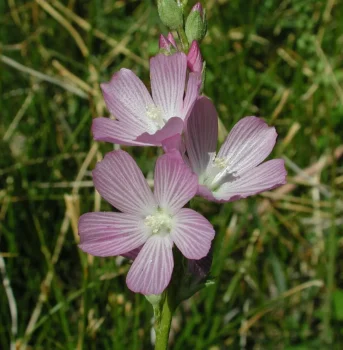
Owens Valley Sidalcea: A Rare California Native Worth Protecting
Meet the Owens Valley sidalcea (Sidalcea covillei), a delicate perennial wildflower that calls California’s rugged landscapes home. This lesser-known member of the mallow family might not be the flashiest plant in your garden center, but it carries a story of resilience and rarity that makes it truly special for native plant enthusiasts.
What Makes This Plant Special
The Owens Valley sidalcea is a charming herbaceous perennial that belongs to the forb category—essentially a flowering plant without woody stems above ground. Think of it as nature’s version of a delicate wildflower that knows how to survive in California’s challenging conditions. Unlike its tree and shrub neighbors, this little beauty keeps its growing points at or below ground level, helping it weather tough seasons.
You might also encounter this plant listed under its scientific synonym, Sidalcea neomexicana var. covillei, but don’t let the name confusion fool you—it’s the same resilient California native.
Where You’ll Find It Growing Wild
This sidalcea is exclusively native to California, making it a true Golden State original. Its natural range is quite limited, which brings us to an important point about this plant’s conservation status.
- Species observed
- No observations
A Plant That Needs Our Help
Here’s where things get serious: Owens Valley sidalcea has a Global Conservation Status of S3, meaning it’s considered vulnerable. With typically only 21 to 100 occurrences and between 3,000 to 10,000 individual plants in the wild, this species is walking a tightrope between survival and extinction.
What this means for gardeners: If you’re considering adding this plant to your landscape, you absolutely can—but only with responsibly sourced material. Never collect plants from wild populations, and always purchase from reputable native plant nurseries that propagate their stock ethically.
Growing Conditions and Garden Suitability
The Owens Valley sidalcea has adapted to life in both wetland and upland conditions, earning a Facultative Upland status in both the Arid West and Western Mountains regions. This means it’s quite the flexible character—usually preferring drier sites but perfectly capable of handling some moisture when needed.
This adaptability makes it potentially suitable for:
- Native plant gardens focused on California species
- Conservation-minded landscapes
- Drought-tolerant garden designs
- Areas that experience variable moisture conditions
Why Consider This Rare Beauty
While we don’t have extensive data on this plant’s specific wildlife benefits or pollinator relationships, most plants in the Sidalcea genus are known to support native bees and other beneficial insects. By choosing to grow Owens Valley sidalcea, you’re:
- Supporting conservation efforts for a vulnerable species
- Adding authentic California character to your landscape
- Contributing to habitat preservation efforts
- Choosing a plant perfectly adapted to local conditions
The Bottom Line
Owens Valley sidalcea isn’t your typical garden center find, and that’s exactly what makes it special. This is a plant for gardeners who want to make a difference—those who understand that sometimes the most meaningful additions to our landscapes are the quiet, unassuming natives that need our help to survive.
If you’re drawn to conservation gardening and want to grow something truly unique to California, seek out this rare sidalcea from ethical sources. You’ll be doing your part to ensure future generations can enjoy this vulnerable piece of California’s natural heritage.
Remember: Always source plants responsibly and never collect from wild populations. Contact local native plant societies or conservation organizations for guidance on finding ethically propagated Owens Valley sidalcea.