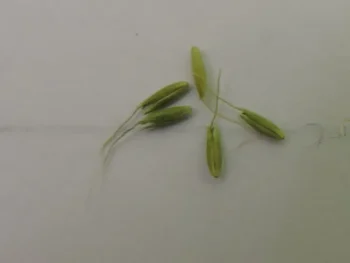
Ozark Grass: A Rare Native Gem for Your Shade Garden
If you’re looking to add a touch of native authenticity to your woodland garden, meet Ozark grass (Limnodea arkansana) – a delicate annual grass that’s as charming as it is uncommon. This fine-textured beauty brings a whisper of wild elegance to shaded spaces, though its rarity makes it a special find indeed.
What Makes Ozark Grass Special
Ozark grass is a true native of the southeastern United States, naturally occurring across Alabama, Arkansas, Florida, Louisiana, Mississippi, Oklahoma, South Carolina, and Texas. This annual grass belongs to the graminoid family, meaning it’s one of those graceful grass-like plants that add movement and texture to the garden.
You might also see this plant listed under its scientific synonym, Cinna arkansana, but don’t let the name confusion fool you – it’s the same lovely species either way.
- Species observed
- No observations
A Plant Worth Protecting
Important note for conservation-minded gardeners: Ozark grass has a rarity status of S1 in Arkansas, meaning it’s critically imperiled in that state. If you’re interested in growing this native beauty, please ensure you source seeds or plants only from reputable native plant nurseries that use responsibly collected material – never harvest from wild populations.
Garden Appeal and Design Uses
This delicate annual grass brings a naturalistic charm to woodland settings with its fine-textured foliage and wispy seed heads. It’s perfect for gardeners who appreciate subtle beauty over flashy blooms. Ozark grass works wonderfully in:
- Shade and woodland gardens
- Native plant collections
- Naturalistic landscape designs
- Areas where you want to recreate authentic southeastern forest understory
Growing Conditions
Being a woodland native, Ozark grass has some specific preferences that mirror its natural habitat:
- Light: Partial shade to full shade – this isn’t a sun-lover
- Soil: Moist, well-drained woodland soils with organic matter
- Hardiness: Best suited for USDA zones 7-9
- Moisture: Consistent moisture is key – let it dry out and you’ll lose it
Planting and Care Tips
Since Ozark grass is an annual, you’ll need to either replant each year or hope for self-seeding (which can happen under ideal conditions). Here’s how to give it the best start:
- Plant in spring after the last frost
- Choose a spot with dappled shade, similar to a forest floor
- Amend soil with compost or leaf mold to mimic woodland conditions
- Keep soil consistently moist but not waterlogged
- Allow plants to go to seed if you want them to naturalize
Wildlife and Ecological Value
While Ozark grass is wind-pollinated and doesn’t attract pollinators in the traditional sense, it plays an important role in woodland ecosystems. As a native grass, it provides habitat structure and may offer seeds for small birds and other wildlife, contributing to the complex web of native plant and animal relationships.
Should You Grow Ozark Grass?
If you’re passionate about native plants, have the right growing conditions (shady and moist), and can source plants responsibly, Ozark grass can be a meaningful addition to your garden. It’s not the showiest plant you’ll ever grow, but it connects your landscape to the authentic plant communities of the southeastern United States.
Just remember – with great rarity comes great responsibility. Only purchase from suppliers who can guarantee their material is ethically sourced, and consider your garden a small sanctuary for this special native species.