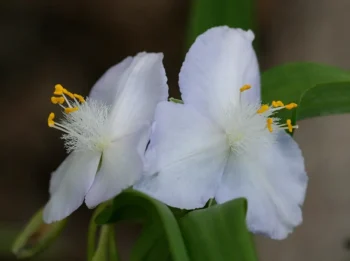
Ozark Spiderwort: A Rare Native Gem Worth Growing Responsibly
If you’re looking to add a touch of wild beauty to your shade garden while supporting conservation efforts, Ozark spiderwort might just be your perfect match. This charming native perennial brings delicate purple-blue blooms to woodland settings, but there’s something special you should know before adding it to your garden wish list.
What Makes Ozark Spiderwort Special
Ozark spiderwort (Tradescantia ozarkana) is a true American native, belonging to the fascinating world of forbs – those herbaceous plants that lack woody stems but pack plenty of personality. Unlike some of its more common spiderwort cousins, this particular species has a rather exclusive address in nature.
This perennial beauty produces clusters of three-petaled flowers in lovely shades of blue to purple, creating a soft carpet of color in shaded areas. The grass-like foliage provides an attractive backdrop even when the plant isn’t blooming, making it a year-round asset to your garden.
Where It Calls Home
Ozark spiderwort has a relatively small native range, naturally occurring in Arkansas, Missouri, and Oklahoma – specifically in the Ozark region that gives it its common name. This limited distribution is part of what makes this plant so special, and frankly, so concerning from a conservation standpoint.
- Species observed
- No observations
A Plant That Needs Our Help
Here’s where things get important: Ozark spiderwort carries a Global Conservation Status of S3, which means it’s considered vulnerable. With typically only 21 to 100 occurrences or between 3,000 and 10,000 individuals in the wild, this isn’t a plant you’ll stumble across on every hiking trail.
But here’s the good news – you can actually help by growing it! However, there’s a crucial caveat: only obtain Ozark spiderwort from reputable, responsible sources. Never collect from wild populations, and always ensure your plants come from nurseries that grow from ethically sourced seed or propagated stock.
Growing Ozark Spiderwort Successfully
The beauty of this native gem is that it’s surprisingly adaptable once you understand its preferences. Think of it as a woodland creature that appreciates life on the gentler side.
Ideal Growing Conditions
- Light: Partial shade to full shade (mimicking its natural woodland habitat)
- Soil: Moist, well-draining soil with good organic content
- Hardiness: USDA zones 5-8, making it suitable for much of the temperate United States
- Water: Consistent moisture without waterlogging
Planting and Care Tips
- Plant in spring after the last frost date
- Space plants 12-18 inches apart to allow for natural spreading
- Mulch around plants to retain moisture and suppress weeds
- Deadhead spent flowers to encourage continued blooming, or leave them if you want the plant to self-seed
- Divide clumps every 3-4 years to maintain vigor and create new plants
Perfect Garden Roles
Ozark spiderwort shines in several garden settings:
- Woodland gardens: Naturalizes beautifully under trees and large shrubs
- Shade borders: Provides mid-season color when many shade plants are taking a break
- Native plant gardens: Essential for authentic regional plantings
- Conservation gardens: Perfect for gardeners committed to preserving rare species
Wildlife and Pollinator Benefits
Like many native plants, Ozark spiderwort doesn’t just look pretty – it works hard for local ecosystems. The flowers attract various pollinators, including bees and small butterflies, providing nectar during its blooming period. Birds may also appreciate the seeds that follow the flowers.
The Bottom Line
Should you grow Ozark spiderwort? Absolutely – but do it right. This vulnerable native deserves our support, and growing it responsibly in our gardens can actually contribute to its conservation. Plus, you’ll be rewarded with a unique, low-maintenance perennial that brings both beauty and ecological value to your shaded spaces.
Remember, every responsibly grown Ozark spiderwort in a home garden represents a small victory for conservation. By choosing this rare native over more common alternatives, you’re not just creating a beautiful garden – you’re becoming part of the solution for preserving America’s botanical heritage.
Just promise us you’ll source it responsibly. This little beauty has already faced enough challenges in the wild – let’s make sure our garden enthusiasm helps rather than hurts its future.