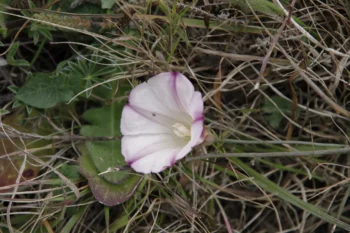
Pacific False Bindweed: A California Native Worth Knowing
Meet Pacific false bindweed (Calystegia purpurata saxicola), a charming California native that’s been quietly beautifying the Golden State’s landscapes for centuries. This delicate perennial vine might not be the showiest plant in your garden, but it brings a subtle elegance and important ecological value that makes it worth considering for the right setting.
What Makes Pacific False Bindweed Special?
Pacific false bindweed is a native perennial forb that belongs to the morning glory family. Unlike its more aggressive relatives, this California endemic has a refined growth habit that won’t take over your entire garden. You might also see it listed under its botanical synonym, Convolvulus occidentalis var. saxicola, in older gardening references.
As a true California native, this plant is perfectly adapted to the state’s Mediterranean climate and diverse growing conditions. It’s found exclusively in California, making it a fantastic choice for gardeners looking to support local ecosystems and create authentic native plant communities.
- Species observed
- No observations
Why Consider Growing Pacific False Bindweed?
There are several compelling reasons to include this native vine in your landscape:
- Authentic native beauty: Small, funnel-shaped flowers in white to soft pink hues create a delicate display
- Pollinator magnet: Native bees, butterflies, and other beneficial insects are drawn to its blooms
- Low maintenance: Once established, it’s quite drought tolerant and requires minimal care
- Erosion control: Its spreading growth habit makes it excellent for stabilizing slopes
- Heart-shaped leaves: Attractive foliage adds texture even when not in bloom
Important Conservation Considerations
Before you rush to plant Pacific false bindweed, there’s something important to know: this plant has a conservation status that suggests it may be somewhat rare or declining in parts of its range. This doesn’t mean you shouldn’t grow it, but it does mean you should be thoughtful about sourcing.
Always purchase plants from reputable native plant nurseries that propagate their stock rather than collect from wild populations. Better yet, if you can find seeds from ethical sources, growing your own plants is a wonderful way to increase the population of this special California native.
Perfect Garden Settings
Pacific false bindweed thrives in several garden styles:
- Native plant gardens: Pairs beautifully with other California natives
- Rock gardens: Its natural habitat includes rocky areas, so it’s right at home among stones
- Naturalistic landscapes: Perfect for creating that wild California look
- Slope stabilization: Excellent for erosion-prone areas where you need attractive ground cover
Growing Conditions and Care
Like many California natives, Pacific false bindweed appreciates conditions that mimic its natural habitat:
- Sunlight: Full sun to partial shade
- Soil: Well-draining soil is essential; it tolerates poor, rocky soils well
- Water: Drought tolerant once established, but appreciates occasional deep watering during dry spells
- Climate: Best suited for USDA zones 8-10, matching California’s Mediterranean climate
Planting and Care Tips
Getting Pacific false bindweed established in your garden is straightforward:
- Plant in fall or early spring when temperatures are mild
- Improve heavy clay soils with compost or gravel for better drainage
- Water regularly the first year to help establish a strong root system
- Once established, it may spread via underground rhizomes—this is normal and beneficial for ground cover
- Lightly trim back after flowering to maintain shape if desired
- No fertilizer needed—California natives prefer lean soils
The Bottom Line
Pacific false bindweed is a lovely choice for California gardeners who want to create authentic native landscapes while supporting local wildlife. Its subtle beauty and ecological benefits make it particularly valuable, though its conservation status means we should grow it thoughtfully and responsibly.
If you’re working on a native plant garden, restoration project, or simply want to add a touch of California’s natural heritage to your landscape, Pacific false bindweed deserves serious consideration. Just remember to source your plants ethically and give them the well-draining conditions they crave.