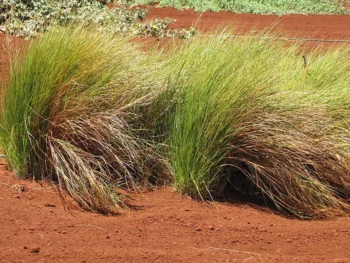
Pacific Lovegrass: A Rare Hawaiian Native Worth Protecting
If you’re passionate about native Hawaiian plants and looking to support local ecosystems, Pacific lovegrass (Eragrostis deflexa) might just capture your heart. This delicate perennial grass is a true island endemic, meaning it exists nowhere else on Earth except the beautiful Hawaiian archipelago. But before you rush to add it to your garden, there’s something important you need to know about this special little grass.
A Grass with Hawaiian Roots
Pacific lovegrass is 100% Hawaiian-born and raised. This charming native species has been calling the islands home long before any human settlers arrived. As a member of the grass family, it’s what botanists call a graminoid – essentially a grass or grass-like plant that includes true grasses, sedges, and rushes.
Where You’ll Find Pacific Lovegrass
Currently, you can only find Eragrostis deflexa growing naturally in Hawaii. This limited geographic distribution is part of what makes this species so special – and so vulnerable.
- Species observed
- No observations
A Rare Treasure That Needs Our Help
Here’s where things get serious: Pacific lovegrass has a Global Conservation Status of S2, which translates to Imperiled. This means the species is extremely rare and vulnerable to extinction, with typically only 6 to 20 known occurrences and fewer than 1,000 to 3,000 individual plants remaining in the wild.
What does this mean for gardeners? While we absolutely encourage growing native Hawaiian plants, if you’re considering Pacific lovegrass, you must ensure you’re getting it from a responsible source that doesn’t impact wild populations. Never collect plants or seeds from natural areas.
What Pacific Lovegrass Brings to Your Garden
Despite its delicate appearance, this perennial grass offers several benefits for the right garden:
- Authentic Hawaiian character: Nothing beats the real deal when creating a native landscape
- Low maintenance: Once established, it’s quite drought tolerant
- Fine texture: Adds delicate, airy movement to plantings
- Erosion control: Helps stabilize soil with its root system
- Wildlife habitat: Provides shelter and nesting material for small native creatures
Growing Conditions and Care
Pacific lovegrass thrives in Hawaii’s tropical and subtropical climate (USDA hardiness zones 10-12). Here’s what this grass prefers:
- Sunlight: Full sun to partial shade
- Soil: Well-draining soils; avoid waterlogged conditions
- Water: Drought tolerant once established, but appreciates occasional watering during dry periods
- Maintenance: Minimal care required – just avoid overwatering
Perfect Garden Settings
Pacific lovegrass works beautifully in:
- Native Hawaiian plant gardens
- Xerophytic (dry) landscapes
- Restoration projects
- Naturalistic plantings where you want an authentic Hawaiian feel
- Areas where you need gentle erosion control
Planting and Care Tips
If you’re fortunate enough to source Pacific lovegrass responsibly:
- Plant in well-draining soil – this grass doesn’t like wet feet
- Give it space to spread naturally
- Water regularly until established, then reduce frequency
- Allow it to self-seed if you want more plants
- Resist the urge to overfertilize – native plants prefer lean conditions
The Bottom Line
Pacific lovegrass represents the unique botanical heritage of Hawaii, but its rarity means we need to approach it with respect and responsibility. If you’re lucky enough to grow this special grass, you’re not just adding a plant to your garden – you’re helping preserve a piece of Hawaiian natural history.
Remember, the best way to support rare native species like Pacific lovegrass is to purchase from reputable native plant nurseries that propagate their stock rather than collecting from the wild. By choosing native plants grown responsibly, you’re voting for biodiversity and helping ensure that future generations can enjoy these botanical treasures.