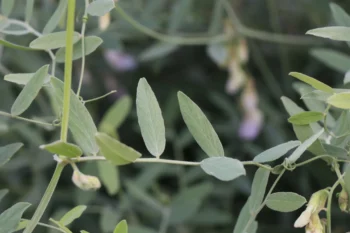
Pacific Pea: A California Native Climber Worth Growing Responsibly
Meet the Pacific pea (Lathyrus vestitus vestitus), a charming native California climber that’s been quietly beautifying the Golden State’s landscapes long before any of us arrived on the scene. This delightful member of the pea family brings both beauty and ecological value to gardens, though it comes with an important caveat we’ll discuss.
What Makes Pacific Pea Special
The Pacific pea is a perennial forb herb, meaning it’s a soft-stemmed plant that lacks woody tissue but returns year after year. Don’t let the herb label fool you into thinking it’s destined for your spice rack – this beauty is all about ornamental appeal and ecological function.
This California native produces lovely purple to violet pea-like flowers that would make any sweet pea jealous. Its compound leaves and climbing habit give it an elegant, somewhat wild appearance that fits perfectly into naturalized garden settings.
Where Pacific Pea Calls Home
Pacific pea is exclusively native to California, where it naturally thrives in chaparral and woodland environments. You won’t find this particular variety growing wild anywhere else – it’s a true California original.
- Species observed
- No observations
A Word of Caution: Rarity Matters
Here’s where things get important: Pacific pea has a Global Conservation Status of S5T1?, which suggests there may be some conservation concerns about this subspecies. While we don’t have definitive information about its exact rarity status, this rating means you should be thoughtful about where you source your plants or seeds.
If you choose to grow Pacific pea, please ensure you’re getting it from reputable native plant nurseries or seed suppliers who source their material responsibly. Never collect plants or seeds from wild populations.
Why Grow Pacific Pea?
Despite the sourcing considerations, there are compelling reasons to include Pacific pea in your native garden:
- Supports local pollinators with its attractive flowers
- Excellent for erosion control on slopes
- Drought tolerant once established
- Adds vertical interest as a climber or trailing ground cover
- Connects your garden to California’s natural heritage
Growing Pacific Pea Successfully
Pacific pea is surprisingly adaptable for a plant with specific native origins. Here’s how to keep it happy:
Growing Conditions
- Sunlight: Full sun to partial shade
- Soil: Well-draining soils (it won’t tolerate soggy feet)
- Water: Drought tolerant once established, but appreciates occasional deep watering
- Climate: Best suited for USDA zones 8-10
Planting Tips
Direct seeding in fall often works best for Pacific pea, as it allows the seeds to experience natural winter conditions. If starting with nursery plants, fall planting gives them time to establish before summer heat arrives.
Garden Design Ideas
Pacific pea works beautifully in:
- Native plant gardens
- Naturalized wildflower areas
- Slopes needing erosion control
- Mixed plantings with other California natives
Consider providing some support structure if you want it to climb, or let it trail as an informal ground cover.
The Bottom Line
Pacific pea offers California gardeners a chance to grow a truly local native that supports regional ecosystems. Just remember to source it responsibly and appreciate that you’re growing something potentially rare and special. When grown thoughtfully, it’s a wonderful addition to native gardens that honors California’s botanical heritage while providing real ecological benefits.
Your local native plant society or extension office can often point you toward reputable sources for Pacific pea and other California natives. Happy gardening!