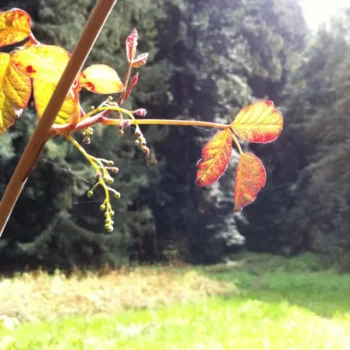
Pacific Poison Oak: The Native Plant You Should Definitely NOT Add to Your Garden
Let’s talk about one of the West Coast’s most infamous native plants: Pacific poison oak (Toxicodendron diversilobum). While we usually celebrate native species and encourage gardeners to plant them, this particular native comes with a big, flashing warning sign. Unless you’re one of the lucky few who’s immune to its effects (and please don’t test this theory), Pacific poison oak is definitely a look but don’t touch kind of plant.
What is Pacific Poison Oak?
Pacific poison oak is a perennial shrub that’s been making hikers, gardeners, and outdoor enthusiasts miserable for centuries. This multi-stemmed woody plant typically stays under 13-16 feet tall, though it can get creative with its growth habits. Sometimes it behaves like a well-mannered shrub, other times it decides to become a climbing vine that can scramble up trees and fences with impressive determination.
You might also see it listed under its former scientific name, Rhus diversiloba, in older gardening books and field guides.
Where Does It Call Home?
This native West Coaster has quite an impressive range, stretching from British Columbia down through California, and reaching into Nevada, Oregon, and Washington. It’s perfectly at home in the diverse climates and conditions found throughout the Pacific region, from coastal areas to inland valleys.
- Species observed
- No observations
Why You Shouldn’t Plant It (Even Though It’s Native)
Here’s the thing about Pacific poison oak – it contains urushiol, the same oil found in poison ivy that causes those infamous itchy, blistering rashes. About 85% of people are allergic to this compound, and the reaction can range from mildly annoying to downright miserable. We’re talking about:
- Severe itching and burning sensations
- Red, swollen skin
- Painful blisters
- Reactions that can last for weeks
Even if you think you might be immune, sensitivity can develop over time with repeated exposure. Plus, the smoke from burning poison oak can cause serious respiratory problems.
But Wait – It’s Not All Bad News
Before you grab your shovel and declare war on every poison oak plant in sight, remember that this native species actually plays an important role in local ecosystems. Those small white berries it produces in late summer are valuable food for over 60 species of birds, including quail, woodpeckers, and various songbirds. Deer and other wildlife browse on the leaves without any ill effects.
The plant also provides nesting sites and cover for small animals, and its flowers offer nectar for native pollinators in spring.
Growing Conditions and Habits
Pacific poison oak is frustratingly adaptable, which explains why it pops up in so many different places. It thrives in USDA hardiness zones 7-10 and can handle:
- Full sun to deep shade
- Dry slopes to moist creek beds
- Various soil types
- Both wetland and upland conditions
In the fall, the leaves turn brilliant shades of red and orange, creating some of the most beautiful autumn color in Western landscapes. It’s almost like nature is playing a cruel joke – making something so gorgeous yet so dangerous to touch.
Identification Tips
Learning to identify Pacific poison oak is crucial for anyone spending time outdoors in its native range. Remember the old saying leaves of three, let it be. Key identifying features include:
- Compound leaves with three leaflets
- Leaflets that can be lobed or smooth-edged (hence diversilobum)
- Reddish stems and leaf stalks
- Small white flowers in spring
- White berries in late summer and fall
- Brilliant red-orange fall color
Management Rather Than Cultivation
If you discover Pacific poison oak on your property, approach removal with extreme caution. Always wear long sleeves, long pants, gloves, and eye protection. Never burn it, and wash all tools and clothing in hot water immediately after contact. Consider hiring professionals for large infestations.
For gardeners wanting to support native wildlife without the health risks, consider these safer alternatives that provide similar ecological benefits:
- Native elderberries (Sambucus canadensis)
- Oregon grape (Mahonia aquifolium)
- Native currants and gooseberries (Ribes species)
- Toyon (Heteromeles arbutifolia)
The Bottom Line
Pacific poison oak perfectly illustrates that native doesn’t always mean garden-friendly. While we should absolutely respect and protect this species in its natural habitat, there’s no need to invite it into our cultivated spaces. Appreciate it from a distance, support it in wild areas, and choose safer native alternatives for your garden that can provide similar benefits to local wildlife without the risk to human health.
Remember: the best native garden is one you can actually enjoy without ending up covered in calamine lotion!