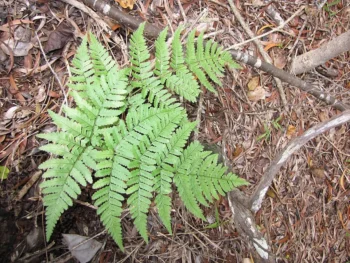
Pacific Woodfern: A Rare Gem of Hawaiian Native Gardens
If you’re passionate about native Hawaiian gardening, you’ve probably heard whispers about the Pacific woodfern (Dryopteris sandwicensis). This enchanting fern isn’t your typical garden center find – it’s a special native species that deserves our attention and respect.
What Makes Pacific Woodfern Special?
The Pacific woodfern is a perennial fern that’s exclusively native to the Hawaiian Islands. Unlike flashy flowering plants, this understated beauty brings subtle elegance to shaded garden spaces with its graceful, triangular fronds that create lovely textural interest year-round.
As a true Hawaiian native, this fern has evolved specifically for island conditions and plays an important role in the natural forest ecosystem. You’ll find it naturally occurring throughout Hawaii, where it typically grows as an understory plant in the state’s mesic to wet forests.
- Species observed
- No observations
A Plant That Needs Our Help
Here’s where things get serious: the Pacific woodfern has a conservation status of S3, meaning it’s considered vulnerable. This classification indicates that the species is at risk due to its limited range, small population numbers, or other factors that could lead to its decline. Typically, vulnerable species like this one have between 21 to 100 known occurrences or roughly 3,000 to 10,000 individual plants in the wild.
What does this mean for gardeners? If you’re interested in growing Pacific woodfern, it’s crucial to source your plants responsibly. Never collect from wild populations – instead, seek out reputable native plant nurseries that propagate their stock ethically.
Garden Potential and Growing Conditions
Despite its rarity in the wild, Pacific woodfern can be a wonderful addition to the right garden setting. Here’s what you need to know:
- Climate needs: Thrives in USDA zones 10-11 (tropical and subtropical climates)
- Light requirements: Prefers partial to full shade – think dappled forest light
- Soil preferences: Moist, well-draining, organic-rich soil
- Humidity: Appreciates higher humidity levels typical of Hawaiian climates
- Wetland status: Classified as Facultative Upland, meaning it usually grows in non-wetland areas but can tolerate some moisture
Perfect Garden Settings
Pacific woodfern shines in:
- Native Hawaiian landscape designs
- Shade gardens under larger trees
- Woodland or forest-style gardens
- Naturalistic plantings that mimic native ecosystems
Care Tips for Success
Growing Pacific woodfern successfully requires mimicking its natural habitat:
- Provide consistent moisture without waterlogging
- Protect from direct sunlight, which can scorch the fronds
- Maintain good air circulation while avoiding strong winds
- Use organic mulch to retain soil moisture and provide nutrients
- Be patient – like most native plants, it may take time to establish
Wildlife and Ecological Benefits
While Pacific woodfern doesn’t produce nectar for pollinators (ferns reproduce via spores, not flowers), it still contributes to the garden ecosystem by providing habitat structure and supporting the complex web of native Hawaiian forest life.
The Bottom Line
Pacific woodfern is absolutely worth growing if you can source it responsibly and provide the right conditions. By cultivating this vulnerable species in our gardens, we’re not just adding beauty to our landscapes – we’re participating in conservation efforts that help preserve Hawaii’s unique botanical heritage.
Remember, every native plant we grow is a small act of environmental stewardship. Just be sure to purchase from ethical sources, never collect from the wild, and consider sharing seeds or divisions with other conservation-minded gardeners to help this beautiful fern thrive for future generations.