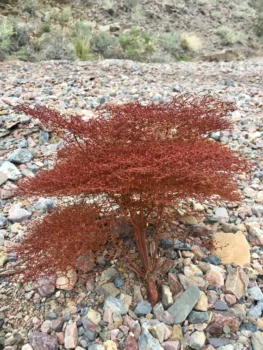
Pagoda Buckwheat: A Rare Desert Gem for Your Native Garden
If you’re looking to add a touch of delicate desert beauty to your native garden, pagoda buckwheat (Eriogonum rixfordii) might just be the hidden treasure you’ve been seeking. This charming annual wildflower brings a unique architectural element to desert landscapes with its distinctive tiered flower clusters that resemble tiny pagodas—hence its delightful common name.
What Makes Pagoda Buckwheat Special?
Pagoda buckwheat is a true native of the American Southwest, calling the Mojave Desert regions of California and Nevada home. As an annual forb, this herbaceous plant completes its entire life cycle in just one growing season, but what it lacks in longevity, it makes up for in charm and ecological value.
The plant produces clusters of small white to pink flowers arranged in distinctive tiers, creating an almost architectural appearance that sets it apart from other desert wildflowers. These delicate blooms may be small, but they pack a punch when it comes to supporting local ecosystems.
- Species observed
- No observations
Important Conservation Considerations
Before we dive into growing tips, there’s something important you should know: pagoda buckwheat has a Global Conservation Status of S2S3, indicating it’s a relatively rare species. This means if you’re interested in growing this beautiful native, you’ll want to ensure you source seeds or plants only from reputable suppliers who collect responsibly and sustainably. Never collect from wild populations, as this could further threaten already vulnerable communities of this special plant.
Garden Design and Landscape Role
Pagoda buckwheat shines in desert gardens, xeriscaped landscapes, and native plant gardens where its delicate structure can be appreciated up close. Consider using it as:
- An accent plant in rock gardens
- Part of a native wildflower mix
- A delicate foreground plant in desert-themed borders
- A conversation starter in botanical collections
Its small stature and intricate flower clusters make it perfect for areas where visitors can get close enough to appreciate its unique pagoda-like blooms.
Growing Conditions and Care
True to its desert origins, pagoda buckwheat thrives in conditions that would stress many other garden plants. Here’s what it needs to flourish:
- Sunlight: Full sun exposure
- Soil: Well-draining sandy or rocky soils
- Water: Minimal irrigation once established
- Climate: USDA hardiness zones 8-10
The key to success with this desert native is resisting the urge to pamper it. Overwatering or rich, heavy soils will likely do more harm than good.
Planting and Establishment Tips
Since pagoda buckwheat is an annual, the best approach is direct seeding in fall, allowing the seeds to experience natural winter stratification. Scatter seeds lightly over prepared soil and barely cover them, as they need light to germinate. The plants will emerge with spring warmth and complete their cycle by summer.
Once established, these little survivors need minimal care. In fact, the best thing you can do is step back and let them do their thing naturally.
Supporting Pollinators and Wildlife
Don’t let the small size fool you—pagoda buckwheat flowers attract various small native bees and beneficial insects. By growing this native species, you’re providing important resources for local pollinators while supporting biodiversity in your garden.
Should You Grow Pagoda Buckwheat?
If you garden in the appropriate climate zones and can source seeds responsibly, pagoda buckwheat makes a wonderful addition to native plant collections and desert gardens. Its rarity makes it all the more special to grow, but also means we have a responsibility to cultivate it thoughtfully and sustainably.
This little desert gem offers a unique combination of delicate beauty and ecological value that’s hard to find in other garden plants. Just remember: with rare plants comes the responsibility to be a conservation-minded gardener. Choose your sources carefully, and you’ll be rewarded with a truly special addition to your native landscape.