Pagosa Ipomopsis: A Rare Colorado Gem Worth Protecting
Meet the Pagosa ipomopsis (Ipomopsis polyantha), a fascinating perennial wildflower that’s as rare as it is beautiful. This little-known Colorado native might just be the most exclusive plant you’ve never heard of – and there are very good reasons why it should stay that way.
What Makes Pagosa Ipomopsis Special?
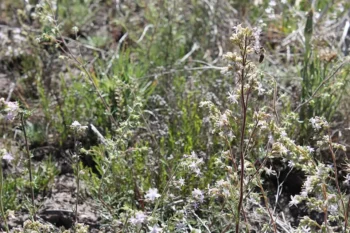
This charming forb produces clusters of small, tubular flowers that range from pink to purple, creating a delicate display that’s perfectly at home among rocky outcrops and alpine meadows. The plant’s narrow, deeply divided leaves give it an almost ferny appearance, making it a textural standout in any garden setting.
But here’s the catch – and it’s a big one. Pagosa ipomopsis is incredibly rare, with an Endangered conservation status in the United States. This isn’t just uncommon in cultivation rare; this is desperately needs our protection rare.
Where Does It Call Home?
Pagosa ipomopsis is endemic to Colorado, making it a true Colorado native through and through. Its natural range is extremely limited, found primarily in the San Juan Mountains region of southwestern Colorado. This restricted distribution is part of what makes it so vulnerable.
- Species observed
- No observations
Should You Grow Pagosa Ipomopsis?
Here’s where things get complicated. While this native perennial would theoretically make a stunning addition to specialized rock gardens or alpine plant collections, its endangered status means we need to tread very carefully.
The Conservation Reality
Before you get too excited about adding this rare beauty to your garden, consider this: every Pagosa ipomopsis plant in the wild is precious. Removing plants from their natural habitat or purchasing plants of questionable origin could further threaten this species’ survival.
If you’re absolutely determined to grow this species, here are the non-negotiables:
- Only obtain plants from reputable sources that can prove legal, ethical propagation
- Never collect from wild populations
- Consider supporting conservation efforts instead
- Look into participating in legitimate seed collection or propagation programs
Growing Conditions and Care
Should you manage to source Pagosa ipomopsis responsibly, you’ll need to recreate its native mountain habitat as closely as possible.
What It Needs to Thrive
- Drainage: Excellent drainage is absolutely critical – think rocky, gravelly soils
- Sunlight: Full sun exposure
- Climate: Cool, moist conditions similar to its mountain home
- Hardiness: Suitable for USDA zones 4-6
- Soil: Rocky, well-draining soil that mimics alpine conditions
The Challenge Factor
Let’s be honest – this isn’t a plant for beginners. Pagosa ipomopsis can be extremely difficult to establish outside its native habitat. It has very specific requirements that can be tough to replicate in typical garden settings.
Wildlife and Pollinator Benefits
In its natural habitat, Pagosa ipomopsis serves as an important nectar source for hummingbirds and various butterfly species. Its tubular flowers are perfectly designed for these pollinators, making it a valuable part of Colorado’s alpine ecosystem.
Better Alternatives for Your Garden
Instead of risking harm to wild populations of this endangered species, consider these more readily available Colorado natives that offer similar benefits:
- Scarlet gilia (Ipomopsis aggregata) – similar flower structure, more widely available
- Wild bergamot (Monarda species) – excellent pollinator plant
- Rocky Mountain penstemon (Penstemon strictus) – stunning purple flowers, Colorado native
The Bottom Line
Pagosa ipomopsis is undeniably beautiful and ecologically important, but its endangered status means our admiration is best expressed through conservation support rather than cultivation. If you’re passionate about rare Colorado natives, consider volunteering with local conservation groups, supporting habitat preservation, or focusing your gardening efforts on more common native species that can benefit from increased cultivation.
Sometimes the most loving thing we can do for a plant is to let it be wild and work to protect the places it calls home.