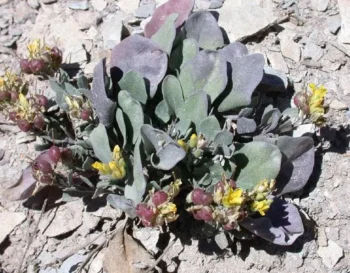
Pagosa Springs Bladderpod: A Rare Gem for the Dedicated Native Plant Gardener
If you’re the type of gardener who gets excited about rare wildflowers and loves a good conservation challenge, let me introduce you to the Pagosa Springs bladderpod (Lesquerella pruinosa). This little-known native perennial is like the botanical equivalent of finding a rare vintage record – not everyone will appreciate it, but those who do will treasure it forever.
What Makes This Plant Special?
The Pagosa Springs bladderpod is a charming forb – that’s garden-speak for a non-woody flowering plant – that belongs to the mustard family. Don’t let the bladderpod name put you off; it refers to the inflated seed pods that develop after flowering, not anything unsavory! This perennial creates small, mounded clumps adorned with cheerful yellow flowers in early spring.
Where Does It Call Home?
This Colorado and New Mexico native has one of the most limited ranges you’ll find in the plant world. It’s primarily found in southwestern Colorado and northwestern New Mexico, making it a true regional specialty. Think of it as the botanical equivalent of a local craft beer – you won’t find it everywhere, but where it grows, it’s perfectly at home.
- Species observed
- No observations
The Rarity Factor: Handle With Care
Important note for responsible gardeners: Pagosa Springs bladderpod has a Global Conservation Status of S2, meaning it’s considered imperiled with typically only 6 to 20 known occurrences in the wild. This makes it an extremely rare plant that requires our careful stewardship.
If you’re interested in growing this species, please ensure you source it only from reputable native plant nurseries that propagate it responsibly – never collect from wild populations. Think of yourself as a conservation partner rather than just a gardener.
Garden Appeal and Design Role
While it may not have the showstopping presence of a sunflower, the Pagosa Springs bladderpod offers subtle charm that’s perfect for:
- Rock gardens and alpine plantings
- Native plant collections
- Xeriscaping and water-wise landscapes
- Conservation-focused garden designs
Its compact, low-growing habit makes it ideal for tucking into small spaces where you can appreciate its delicate yellow blooms up close. The flowers appear in early spring, providing much-needed nectar for small native bees and other beneficial insects when few other plants are blooming.
Growing Conditions and Care
Like many plants from the arid Southwest, Pagosa Springs bladderpod is surprisingly easy to grow once you understand its needs:
Sunlight: Full sun is essential – this plant evolved in open, sunny locations
Soil: Well-drained, sandy, or gravelly soil is crucial. If your soil holds water like a sponge, consider raised beds or containers
Water: Drought tolerant once established, but appreciates occasional deep watering during extended dry periods
Hardiness: Suitable for USDA zones 4-7, handling both cold winters and hot summers
Planting and Care Tips
Success with Pagosa Springs bladderpod comes down to mimicking its natural habitat:
- Plant in spring or fall when temperatures are moderate
- Ensure excellent drainage – this cannot be overstated
- Avoid overwatering, especially during winter months
- Mulch lightly with gravel rather than organic mulch
- Be patient – rare plants often take time to establish
Pollinator and Wildlife Benefits
Despite its small size, this native wildflower punches above its weight when it comes to supporting local ecosystems. Its early spring blooms provide critical nectar sources for native bees, small butterflies, and other beneficial insects. The seeds, when they develop, can provide food for small birds and mammals.
Is This Plant Right for You?
The Pagosa Springs bladderpod isn’t for every gardener, and that’s okay! Consider this plant if you:
- Are passionate about native plant conservation
- Enjoy growing rare and unusual species
- Have well-draining soil or are willing to create it
- Appreciate subtle beauty over flashy displays
- Want to support early-season pollinators
However, if you’re looking for a low-maintenance plant with big visual impact, you might want to start with more common native alternatives like purple coneflower or black-eyed Susan.
A Plant Worth Protecting
Growing Pagosa Springs bladderpod is more than just adding another plant to your garden – it’s participating in conservation. Every responsibly grown specimen in cultivation helps ensure this rare species has a future, even as its natural habitat faces increasing pressures.
So, if you’re ready to become a steward of one of the Southwest’s botanical treasures, the Pagosa Springs bladderpod might just be the perfect addition to your native plant collection. Just remember: with great rarity comes great responsibility!