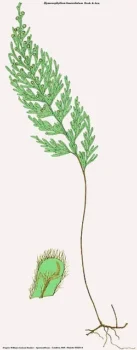
Palaihinahina: Hawaii’s Delicate Native Filmy Fern
Meet palaihinahina (Hymenophyllum lanceolatum), one of Hawaii’s most ethereal native ferns. Also known as palai hinahina, this delicate beauty belongs to the fascinating group called filmy ferns – and trust me, once you see why they earned that name, you’ll be enchanted by their gossamer-like appearance.
What Makes Palaihinahina Special
Palaihinahina is a perennial fern that’s as delicate as it is beautiful. Unlike your typical robust garden ferns, this little wonder has translucent, paper-thin fronds that seem to glow when backlit. It’s what botanists call a forb – essentially a non-woody plant that lacks significant thickening growth and keeps its growing points at or below ground level.
This fern is endemic to Hawaii, meaning you won’t find it growing wild anywhere else on Earth. It calls the Hawaiian Islands home, thriving in the misty, humid forests that characterize the region’s unique ecosystems.
- Species observed
- No observations
A Conservation Concern
Important note for gardeners: Palaihinahina has a Global Conservation Status of S3, which means it’s considered vulnerable. With typically only 21 to 100 occurrences or between 3,000 and 10,000 individuals remaining, this fern is quite rare and faces potential threats to its survival.
If you’re considering adding this native beauty to your garden, please only source it from reputable native plant nurseries that propagate it responsibly. Never collect it from the wild – every plant in its natural habitat is crucial for the species’ survival.
Garden Role and Aesthetic Appeal
In the right conditions, palaihinahina creates an almost magical atmosphere in native Hawaiian gardens. Its delicate, lace-like fronds add incredible texture and visual interest to shaded areas. Think of it as nature’s own gossamer curtain, perfect for creating those mysterious, forest-floor vibes that make you feel like you’ve stepped into an enchanted woodland.
This fern works beautifully as:
- Ground cover in humid, shaded native plant gardens
- Accent planting in protected microclimates
- Companion to other native Hawaiian understory plants
- Living art in specialized shade gardens
Growing Conditions and Care
Here’s where things get a bit tricky – palaihinahina isn’t your average, easy-going garden fern. This delicate native has very specific needs that mirror its natural rainforest habitat:
- Climate: USDA zones 10-12 (tropical to subtropical)
- Light: Filtered, dappled shade – think deep forest conditions
- Humidity: High humidity is absolutely essential
- Moisture: Consistently moist (but not waterlogged) conditions
- Temperature: Cool, stable temperatures without extreme fluctuations
The Reality Check
Let’s be honest – palaihinahina is not a beginner’s plant. It requires very specific environmental conditions that can be challenging to replicate outside its natural habitat. If you’re new to native Hawaiian gardening or don’t have the right microclimate, you might want to start with more forgiving native species first.
However, if you have the right conditions and the patience to work with this delicate beauty, palaihinahina can be an incredibly rewarding addition to your native plant collection.
Supporting Native Hawaiian Ecosystems
By growing palaihinahina responsibly, you’re not just adding beauty to your garden – you’re participating in conservation efforts for Hawaii’s unique native flora. While this fern doesn’t provide direct benefits to pollinators (it reproduces through spores, not flowers), it plays an important role in native forest ecosystems and helps preserve Hawaii’s botanical heritage.
Remember, every native plant in your garden is a small step toward supporting local biodiversity and maintaining the ecological connections that make Hawaii’s natural world so special. Just make sure you’re doing it responsibly by sourcing your plants ethically and providing them with the specialized care they need to thrive.