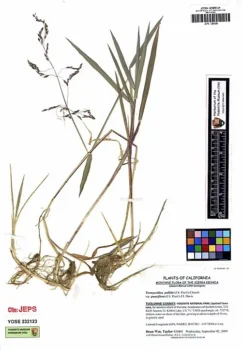
Pale False Mannagrass: A Native Wetland Gem for Your Garden
If you’ve been searching for a native grass that thrives in wet conditions and adds subtle beauty to your landscape, let me introduce you to pale false mannagrass (Torreyochloa pallida). This unassuming perennial grass might not win any flashy flower contests, but it’s a true workhorse for gardeners dealing with soggy soils or creating wildlife-friendly wetland areas.
What Makes Pale False Mannagrass Special?
Pale false mannagrass is a graceful, grass-like perennial that belongs to the broader family of grasses, sedges, and rushes. Don’t let its modest appearance fool you – this native plant plays an important role in North American ecosystems and can be a valuable addition to the right garden setting.
As its name suggests, this grass has a delicate, pale appearance with narrow leaves and subtle flowering panicles that sway gently in the breeze. It’s not going to stop traffic with bold colors, but there’s something quietly elegant about the way it moves and catches light in a naturalized setting.
Where Does It Call Home?
One of the most impressive things about pale false mannagrass is its incredible native range. This hardy grass is truly a North American native, found naturally across an enormous territory that spans from Alaska and throughout Canada, all the way down to states like Georgia and South Carolina. You’ll find it growing wild in places as diverse as Alberta and Arizona, Maine and Montana, and practically everywhere in between.
- Species observed
- No observations
The Wetland Connection
Here’s where things get really interesting – pale false mannagrass is what we call a wetland specialist. Depending on where you live, it ranges from facultative wetland (meaning it usually likes wet spots but can tolerate drier conditions) in Alaska, to obligate wetland (meaning it almost always needs wet conditions) in most other regions.
This wetland preference makes it perfect for:
- Rain gardens and bioswales
- Pond and stream margins
- Bog gardens
- Areas with poor drainage
- Wetland restoration projects
Why You Might Want to Plant It
If you’re dealing with a consistently wet area in your landscape, pale false mannagrass could be your new best friend. Instead of fighting soggy soils, why not work with them? This grass excels at erosion control and can help stabilize wet banks and slopes naturally.
It’s also fantastic for creating naturalized landscapes that support local ecosystems. While it’s wind-pollinated (so it won’t attract butterflies like wildflowers do), it provides habitat structure for various wildlife species and fits beautifully into native plant communities.
Growing Conditions and Care
The good news is that if you have the right conditions, pale false mannagrass is relatively low-maintenance. Here’s what it needs to thrive:
- Moisture: Consistently moist to wet soils are essential
- Light: Full sun to partial shade
- Hardiness: Extremely cold-tolerant (USDA zones 2-8)
- Soil: Adaptable to various wet soil types
Planting and Care Tips
Since growing conditions and propagation methods for this specific grass aren’t well-documented in general gardening resources, I’d recommend connecting with local native plant societies or wetland restoration groups for the best advice on sourcing and establishing pale false mannagrass in your area.
Once established, this perennial grass typically requires minimal care beyond ensuring adequate moisture. It’s adapted to harsh conditions across its vast native range, making it quite resilient when its basic needs are met.
Is This Grass Right for Your Garden?
Pale false mannagrass isn’t for every garden or every gardener. If you’re looking for showy flowers or colorful foliage, this isn’t your plant. But if you have wet areas where other plants struggle, want to support local ecosystems, or are working on wetland restoration, it could be perfect.
Consider pale false mannagrass if you:
- Have consistently wet or boggy areas
- Want to create naturalized landscapes
- Need erosion control for wet slopes
- Are interested in native plant gardening
- Want low-maintenance plants for challenging wet sites
This humble native grass might not be the star of your garden, but it could be exactly what your wetland areas need to thrive naturally and beautifully.