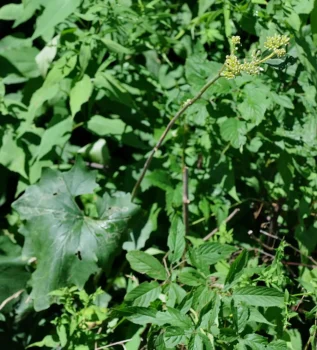
Pale Indian Plantain: A Rare Native Gem for Shade Gardens
If you’re looking to add something truly special to your shade garden, let me introduce you to pale Indian plantain (Arnoglossum atriplicifolium). This native wildflower might not be the showiest plant in the garden center, but it’s got character, conservation value, and a fascinating story that makes it worth seeking out.
What Makes Pale Indian Plantain Special?
Pale Indian plantain is a perennial forb that’s been quietly growing in North American woodlands long before any of us started planning our garden beds. You might also see it listed under its old scientific names like Cacalia atriplicifolia, but don’t let the name changes fool you – this is the same wonderful plant.
What really sets this plant apart are its distinctive kidney-shaped leaves that can grow quite large, creating an almost tropical look in temperate shade gardens. In late summer, it sends up tall flower stalks topped with clusters of small, creamy-white blooms that practically glow in the dappled forest light.
Where Does It Call Home?
This native beauty has quite an impressive range, naturally occurring across 30 states from the eastern seaboard all the way to the Great Plains. You’ll find it growing wild everywhere from Florida and Georgia up to Massachusetts and Minnesota, and as far west as Kansas and Oklahoma.
- Species observed
- No observations
A Conservation Concern Worth Addressing
Here’s where things get serious for a moment. While pale Indian plantain has a broad native range, it’s actually listed as endangered in New Jersey with an S1 rarity status. This means if you’re thinking about adding it to your garden, you absolutely must source it responsibly from reputable native plant nurseries – never dig it from the wild.
By growing this plant in your garden, you’re actually participating in conservation efforts and helping maintain genetic diversity of this species.
Perfect Spots in Your Garden
Pale Indian plantain is tailor-made for those tricky shady spots where many flowers fear to bloom. Think woodland gardens, the back of shaded borders, or naturalized areas under mature trees. It’s particularly stunning when allowed to form colonies in larger spaces.
This isn’t a plant for formal, manicured beds – it has a wild, somewhat architectural presence that works best in more naturalistic settings. The large leaves create excellent textural contrast against ferns, wild ginger, and other woodland natives.
Growing Conditions That Make It Happy
Like most woodland natives, pale Indian plantain appreciates:
- Partial to full shade (morning sun is okay, but avoid hot afternoon sun)
- Moist to medium moisture levels – not soggy, but don’t let it completely dry out
- Rich, organic soils similar to what you’d find on a forest floor
- USDA hardiness zones 4-8
Planting and Care Made Simple
Once established, pale Indian plantain is refreshingly low-maintenance. Plant it in spring after the last frost, giving it plenty of space – this isn’t a tiny plant and can reach 3-6 feet tall when flowering.
Water regularly the first year to help it establish, then it should be fairly drought-tolerant in shaded locations. It dies back completely in winter (don’t panic – it’s supposed to do that!), then emerges again in spring.
One delightful surprise: it may self-seed if happy, giving you more plants over time. Just remember to share responsibly sourced plants with other gardeners!
Wildlife and Pollinator Benefits
The late-summer flowers are a magnet for butterflies, native bees, and other pollinators when many other woodland plants have finished blooming. This timing makes it particularly valuable for extending the nectar season in shaded areas where pollinator plants can be scarce.
Should You Grow It?
If you have the right growing conditions and can source it responsibly, absolutely! Pale Indian plantain offers gardeners a chance to grow something truly special while supporting native plant conservation. It’s not going to give you masses of showy flowers, but it will give you distinctive foliage, late-season pollinator support, and the satisfaction of growing a plant with real conservation value.
Just remember – always buy from reputable native plant nurseries and never collect from wild populations. This rare beauty deserves our protection, not our exploitation.